Free flag quiz
Flag quiz: 30 flags to name, with the answers
Three rounds of 10: famous flags, Northern Europe and some tricky ones. Name each flag, then check the answers under each round. Want to play it properly? Host it live and the flag shows on your TV and on every phone.
by Ashley at InstaQuiz
The three rounds
Round 1: Famous flags
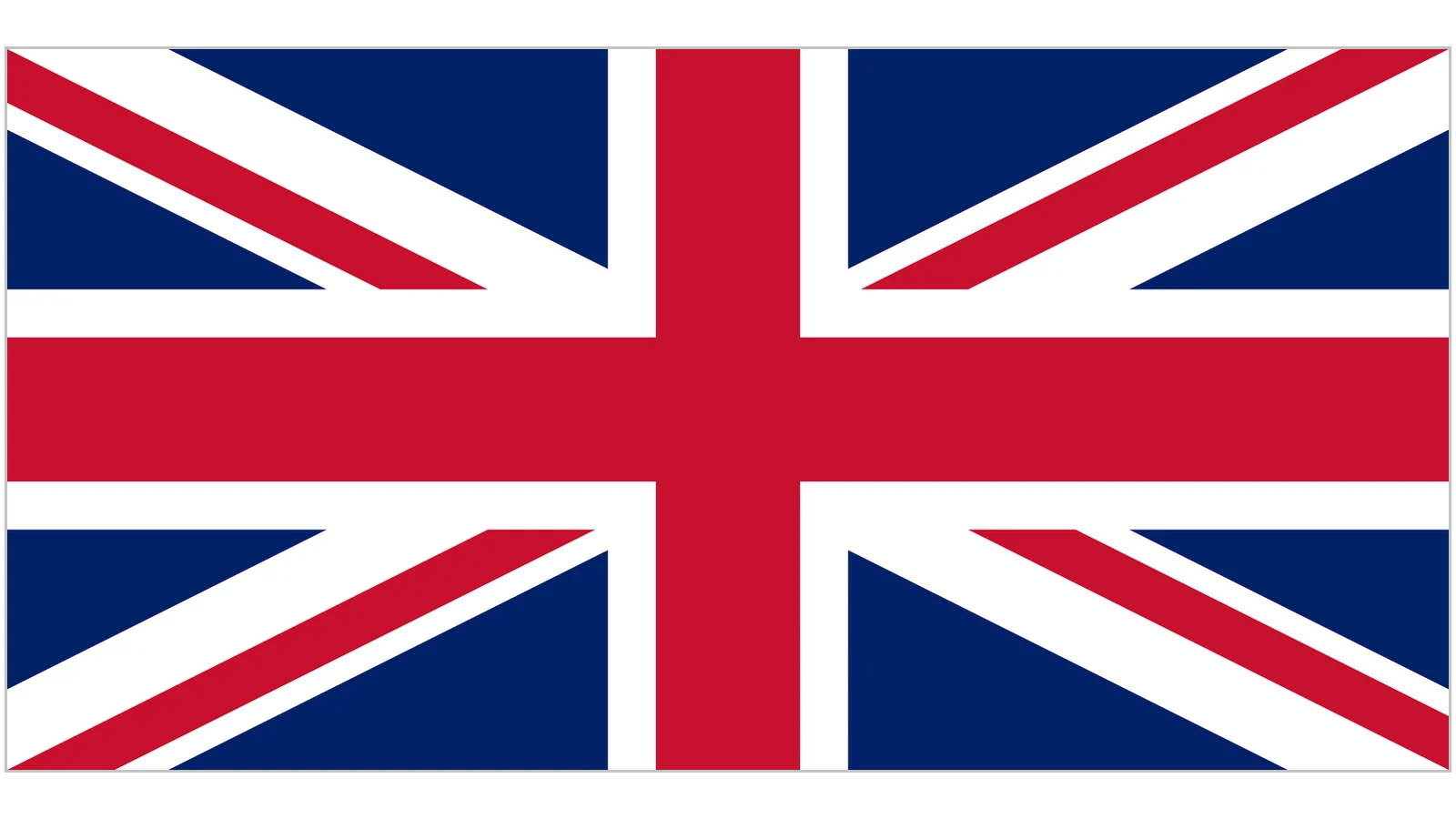
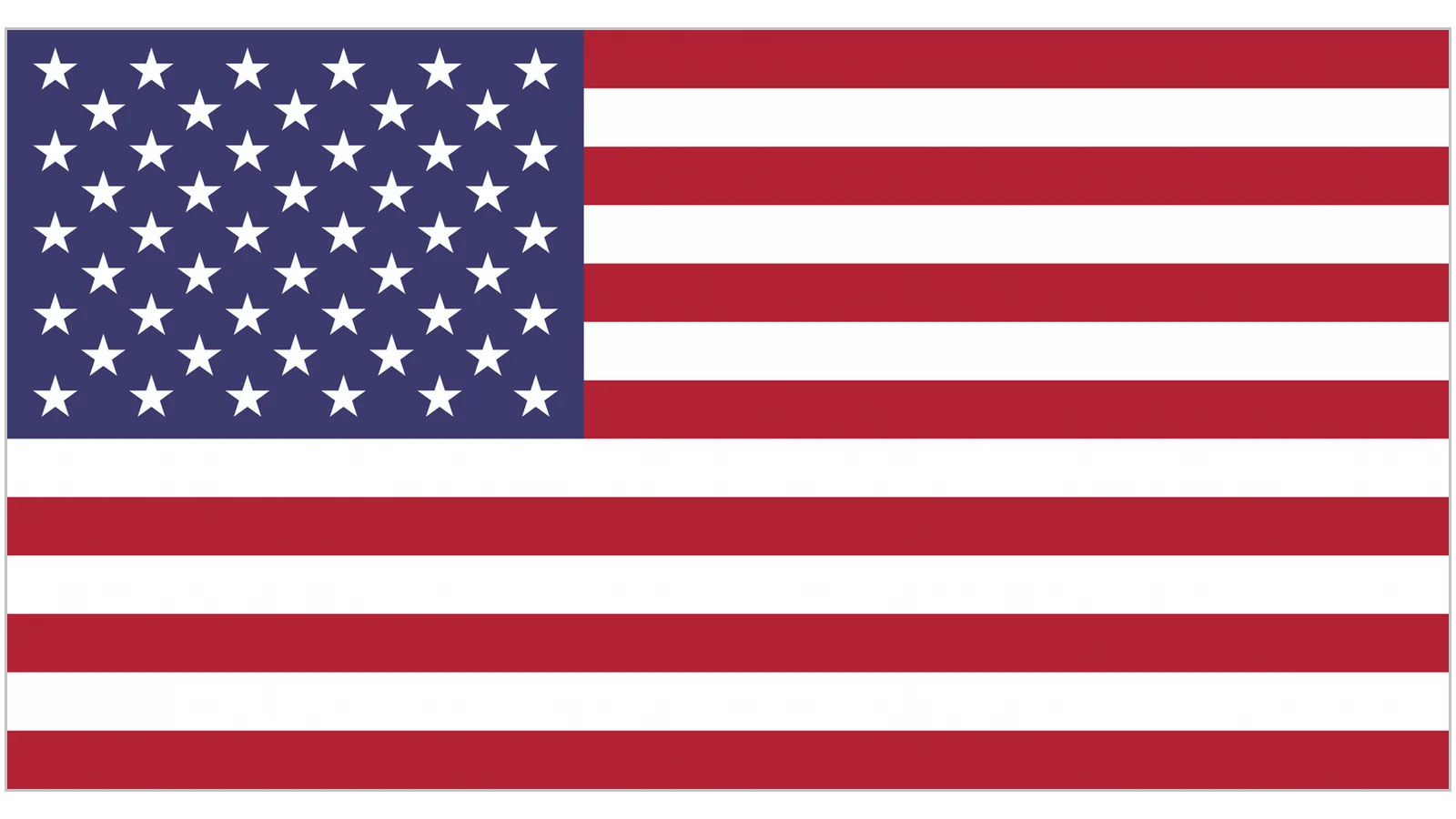
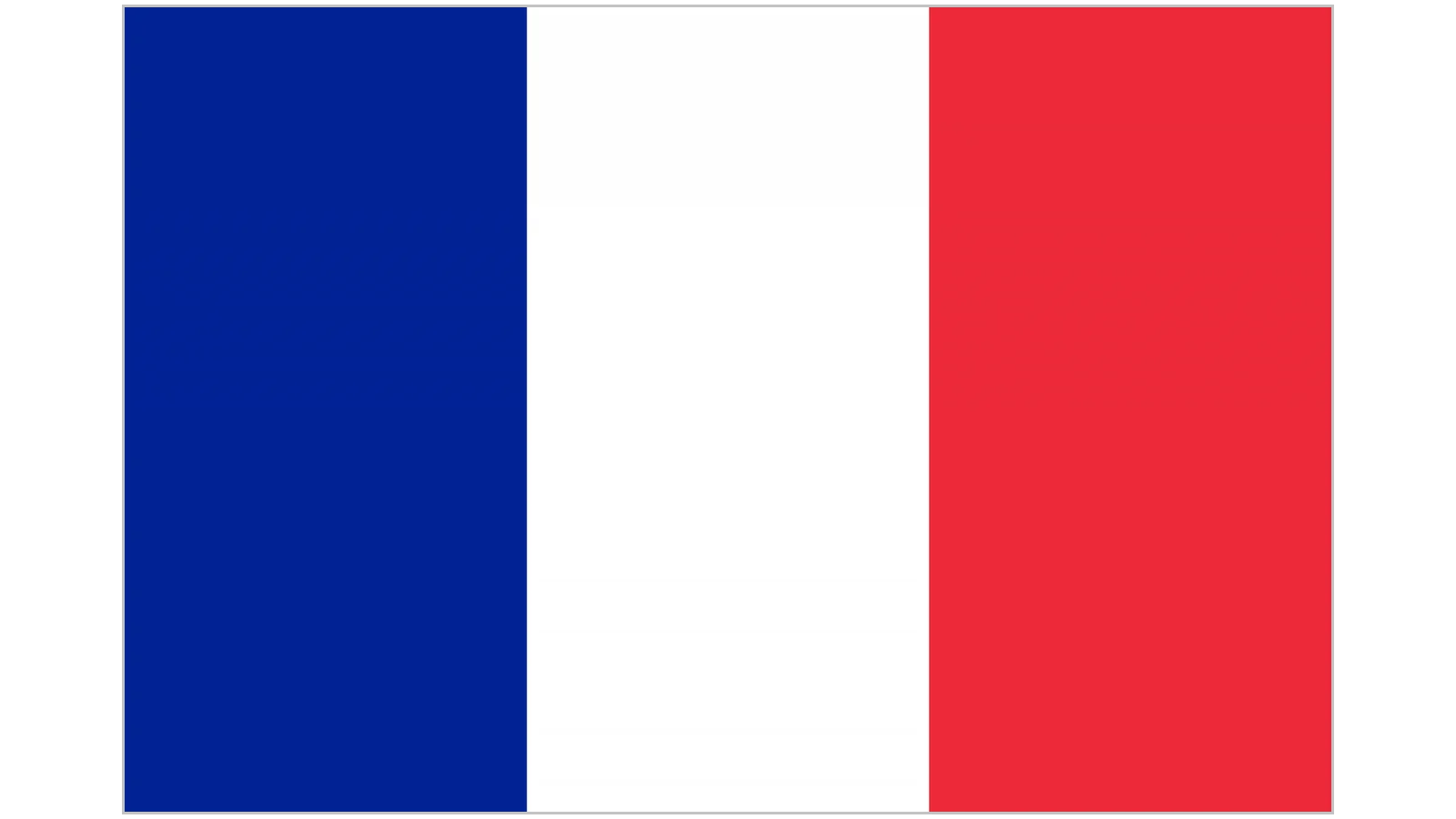
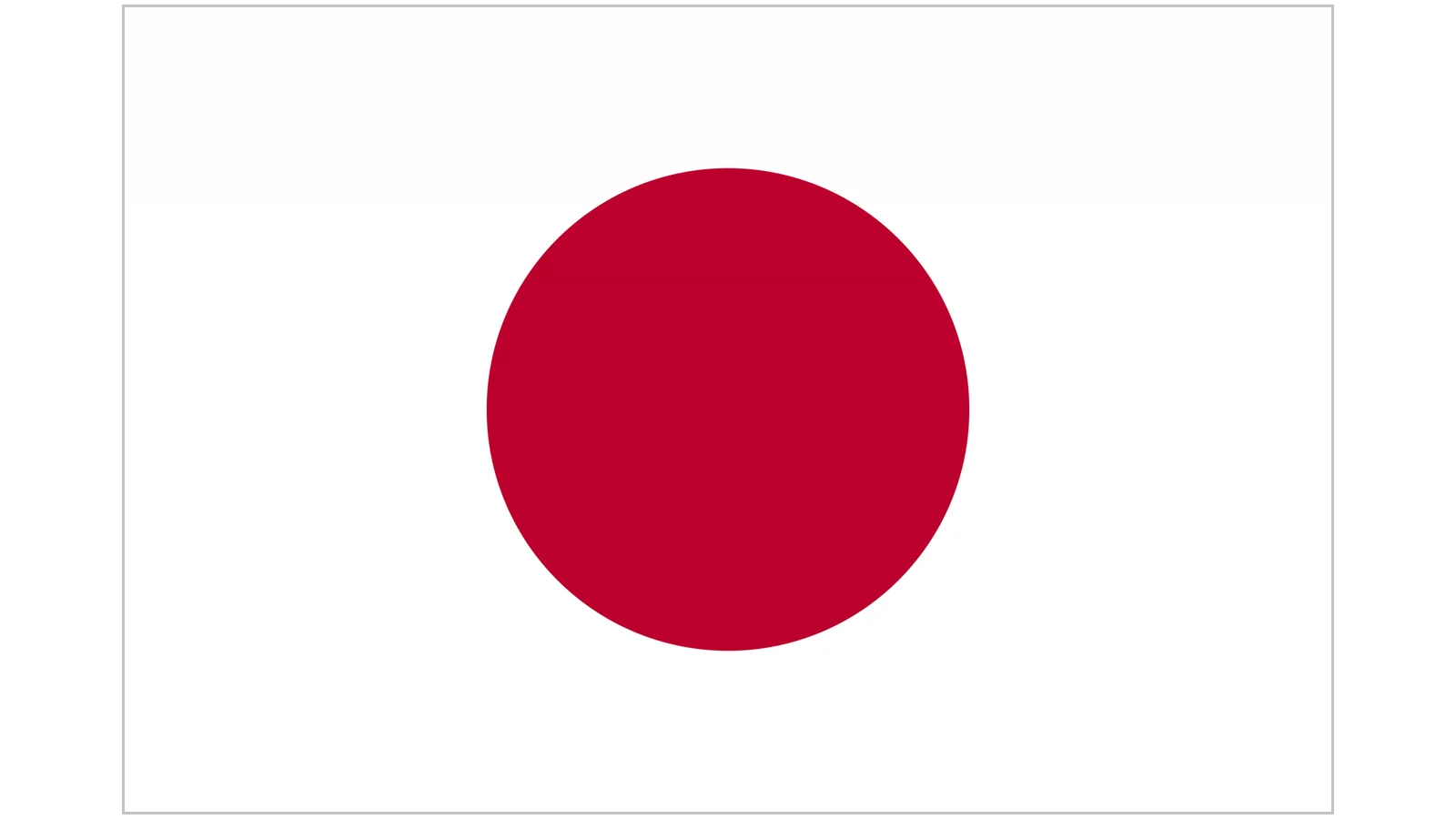
Answers for round 1
1. United Kingdom. The current design dates from 1 January 1801.
2. United States. Its 13 stripes stand for the original colonies and its 50 stars for the states; the 50-star version dates from 1960.
3. France. The blue, white and red tricolour became the national flag during the Revolution of the 1790s.
4. Japan. Its red disc stands for the sun, and the flag is known as the Hinomaru, meaning circle of the sun.
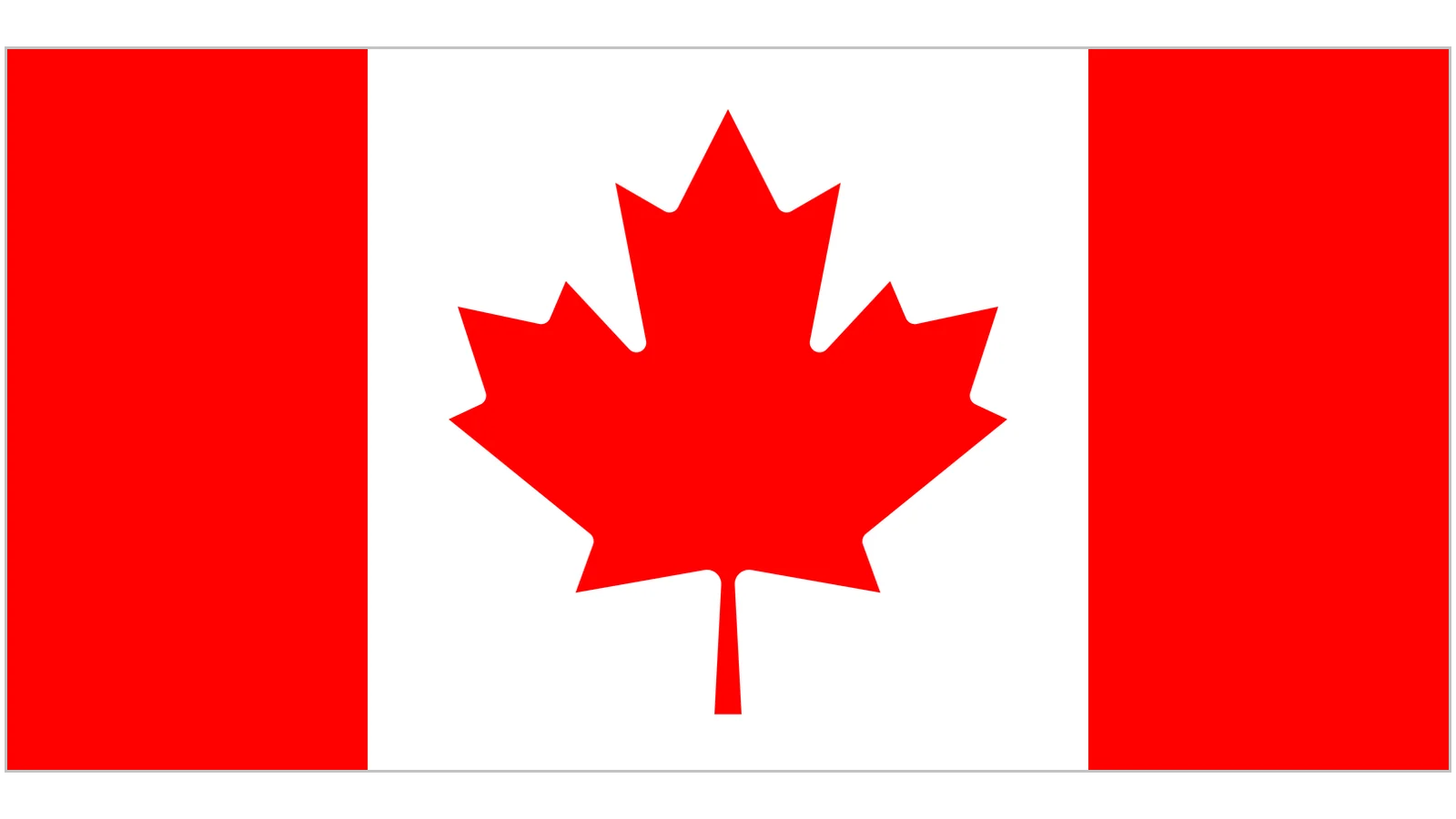
5. Canada. The maple leaf flag was first raised on 15 February 1965, a date now marked as National Flag Day.
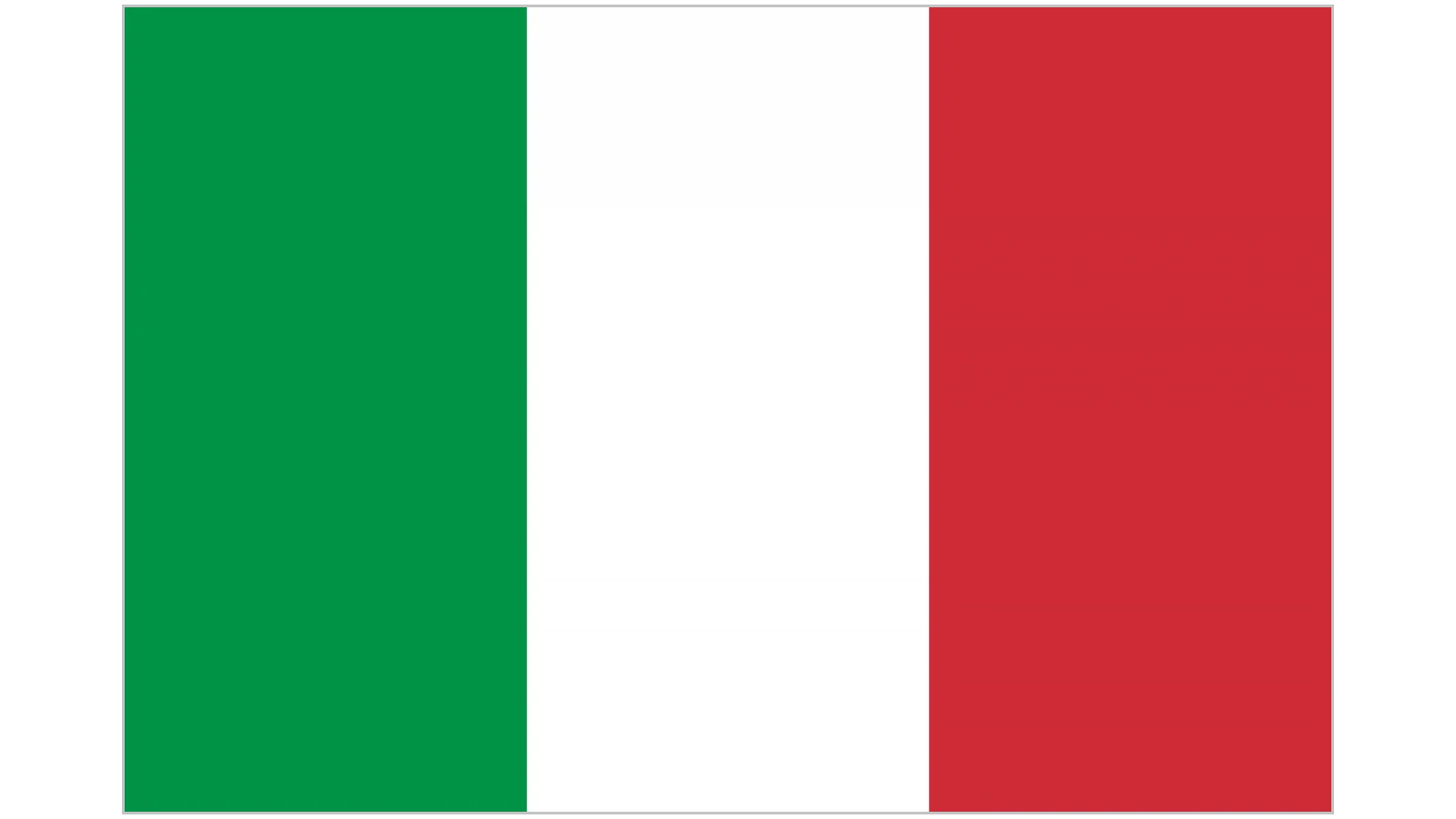
6. Italy. The plain tricolour without a royal coat of arms has flown since the country became a republic in 1946.
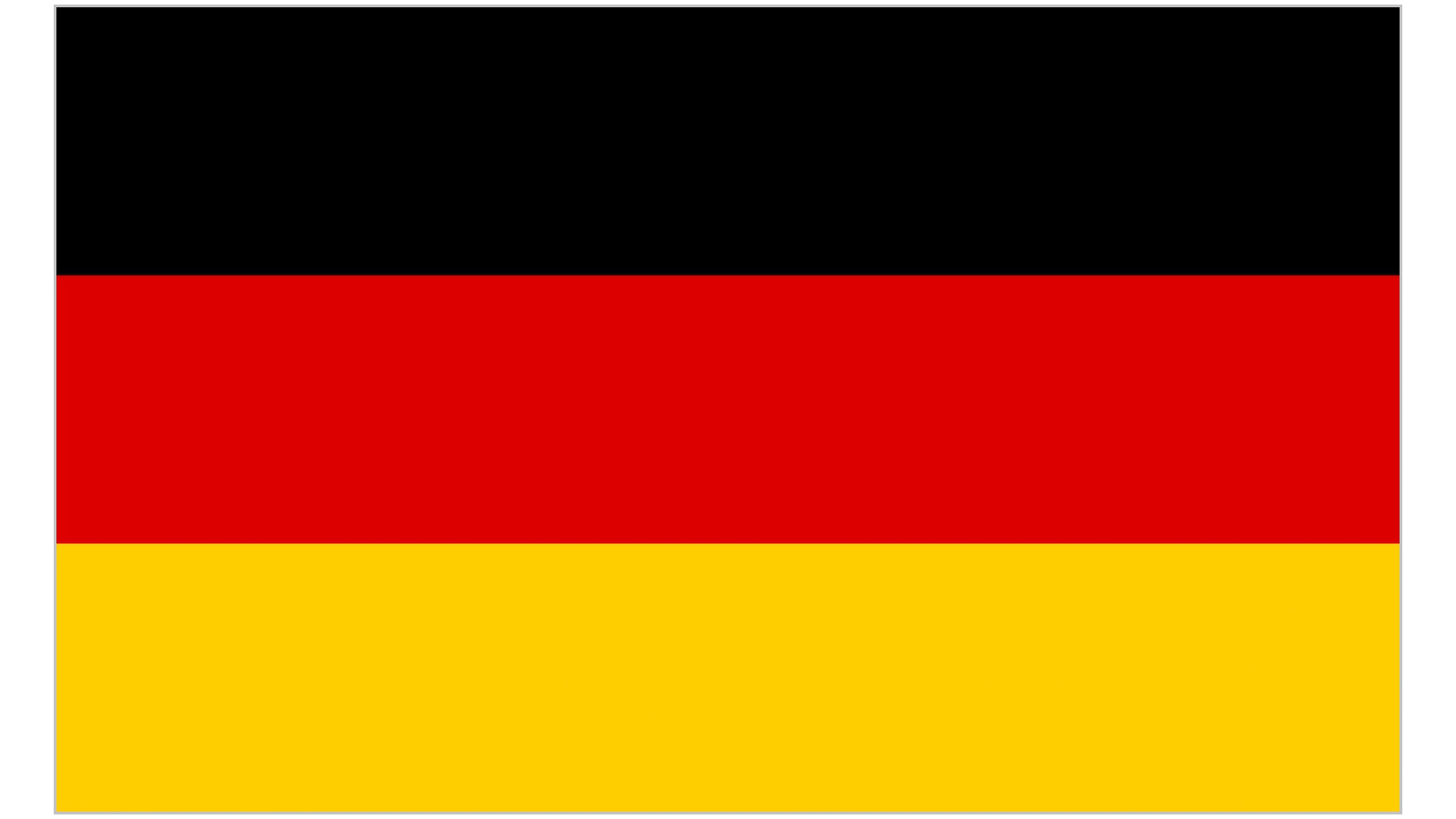
7. Germany. Its black, red and gold were the colours of the movement for unity and democracy in the 1800s.
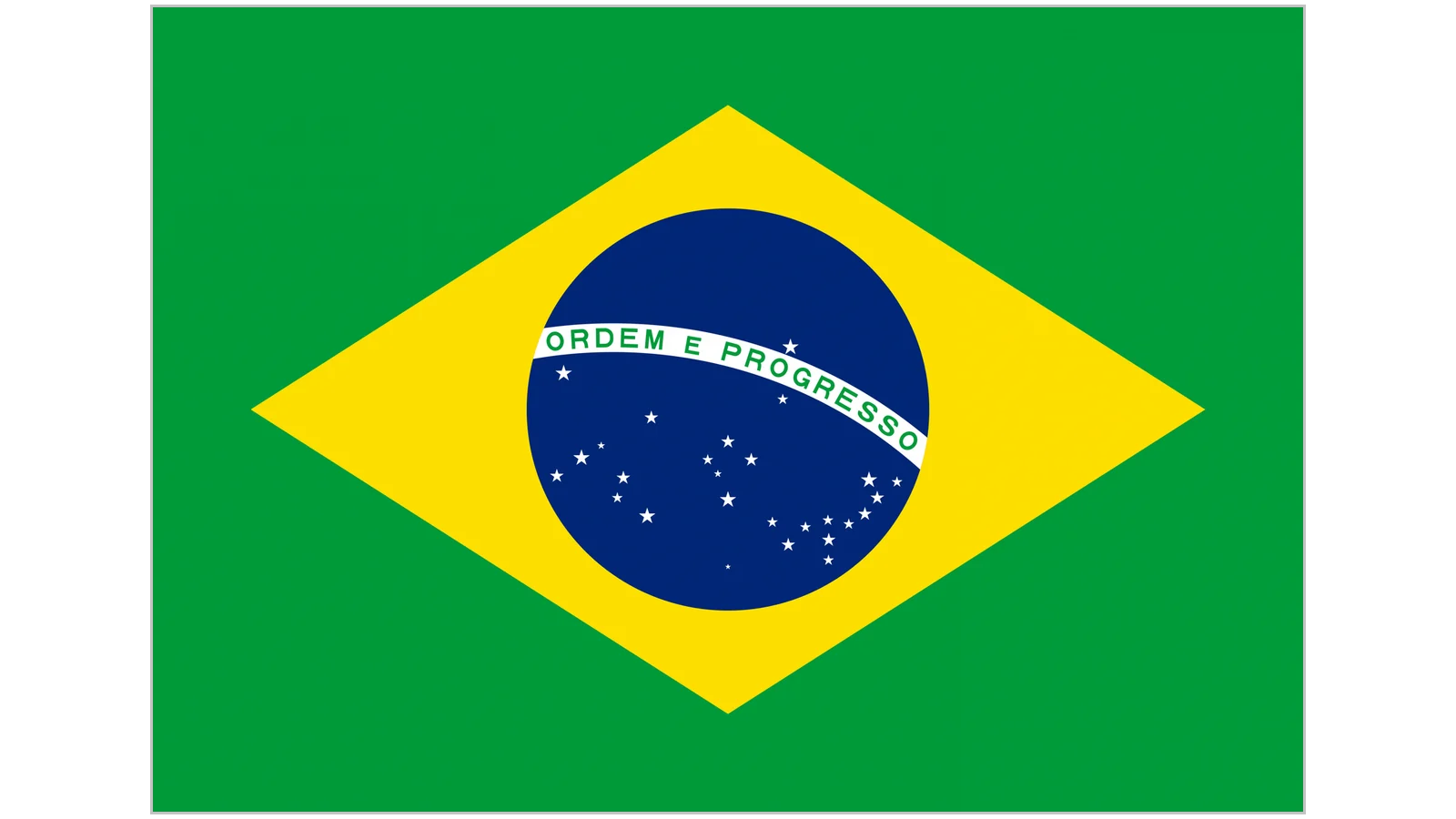
8. Brazil. The starry globe shows the sky over Rio de Janeiro on 15 November 1889, with stars for the states and the Federal District.
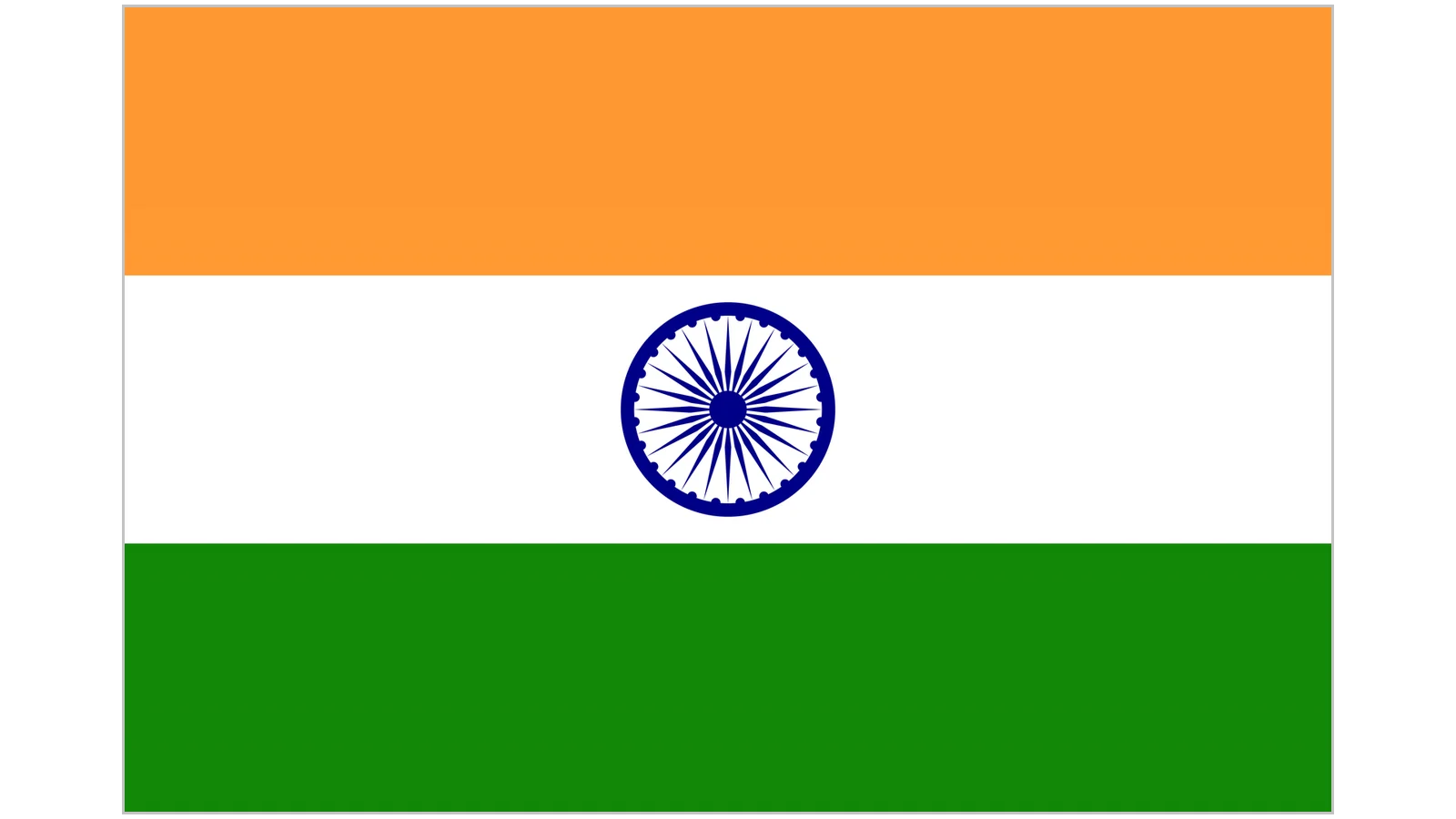
9. India. The blue wheel in the centre is the Ashoka Chakra, which has 24 spokes.
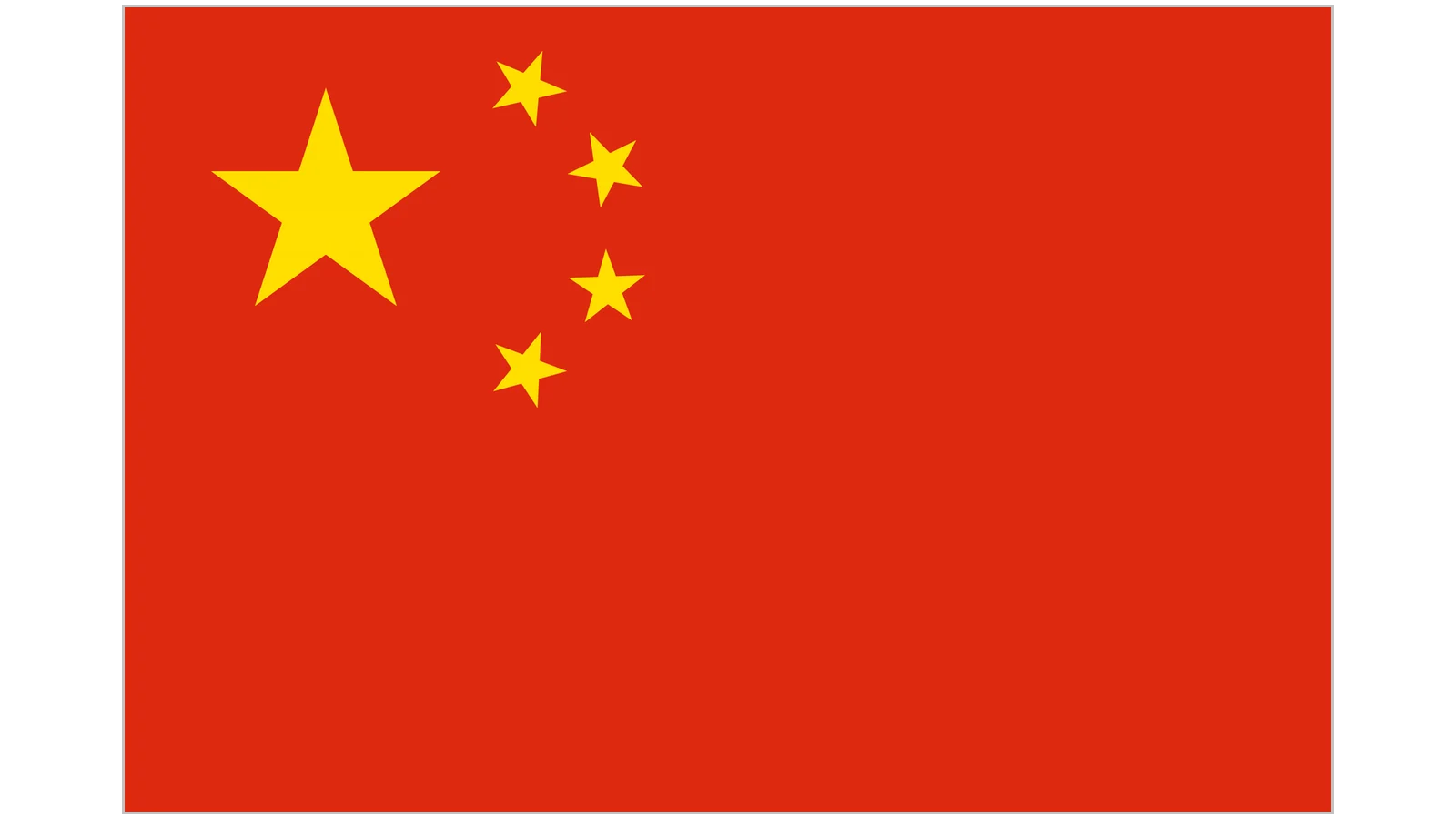
10. China. The large star stands for the Communist Party and the four smaller stars for the people; it was adopted in 1949.
Round 2: Northern Europe
Answers for round 2
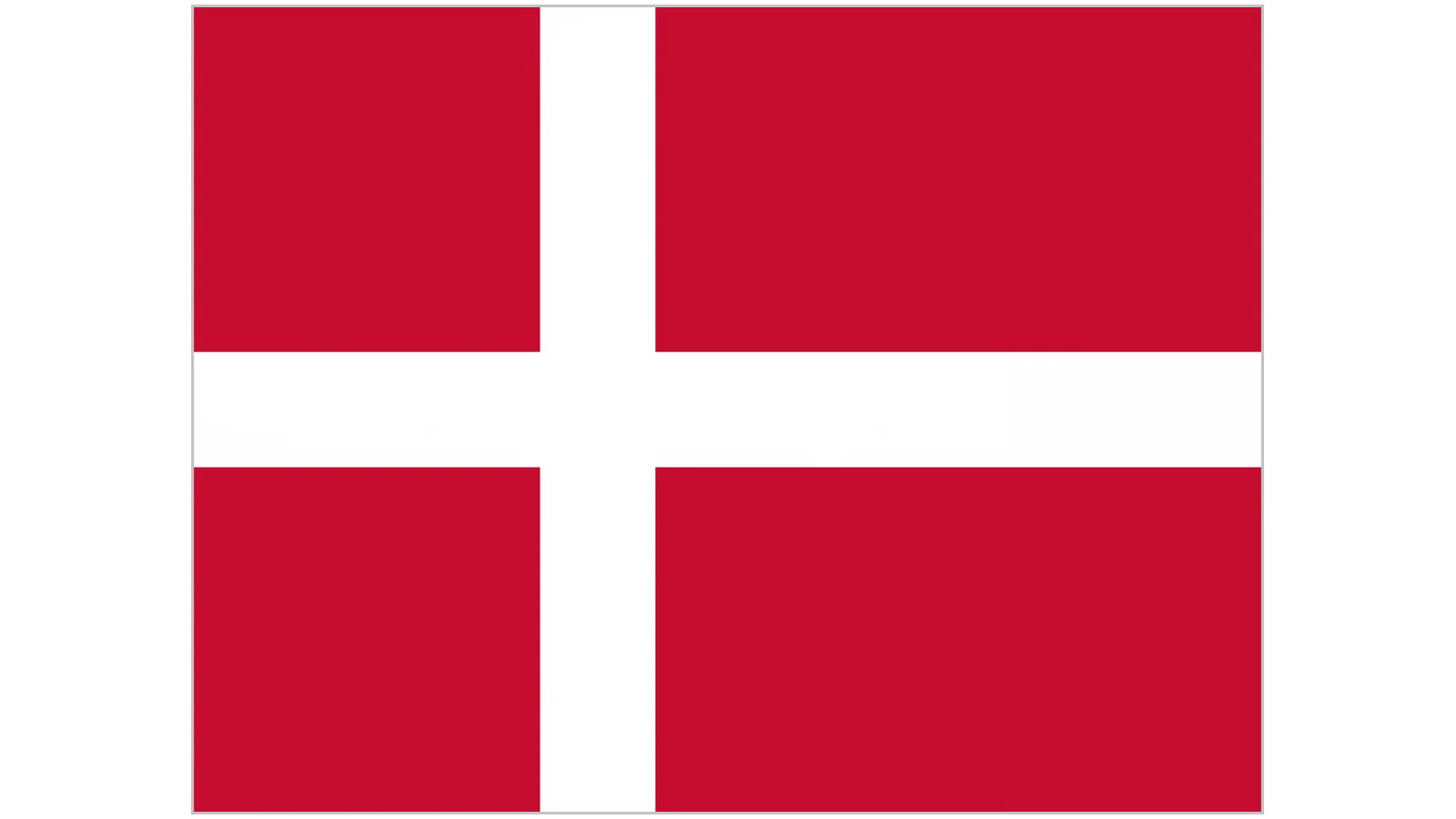
11. Denmark. Known as the Dannebrog, it is often called the oldest national flag still in continuous use.
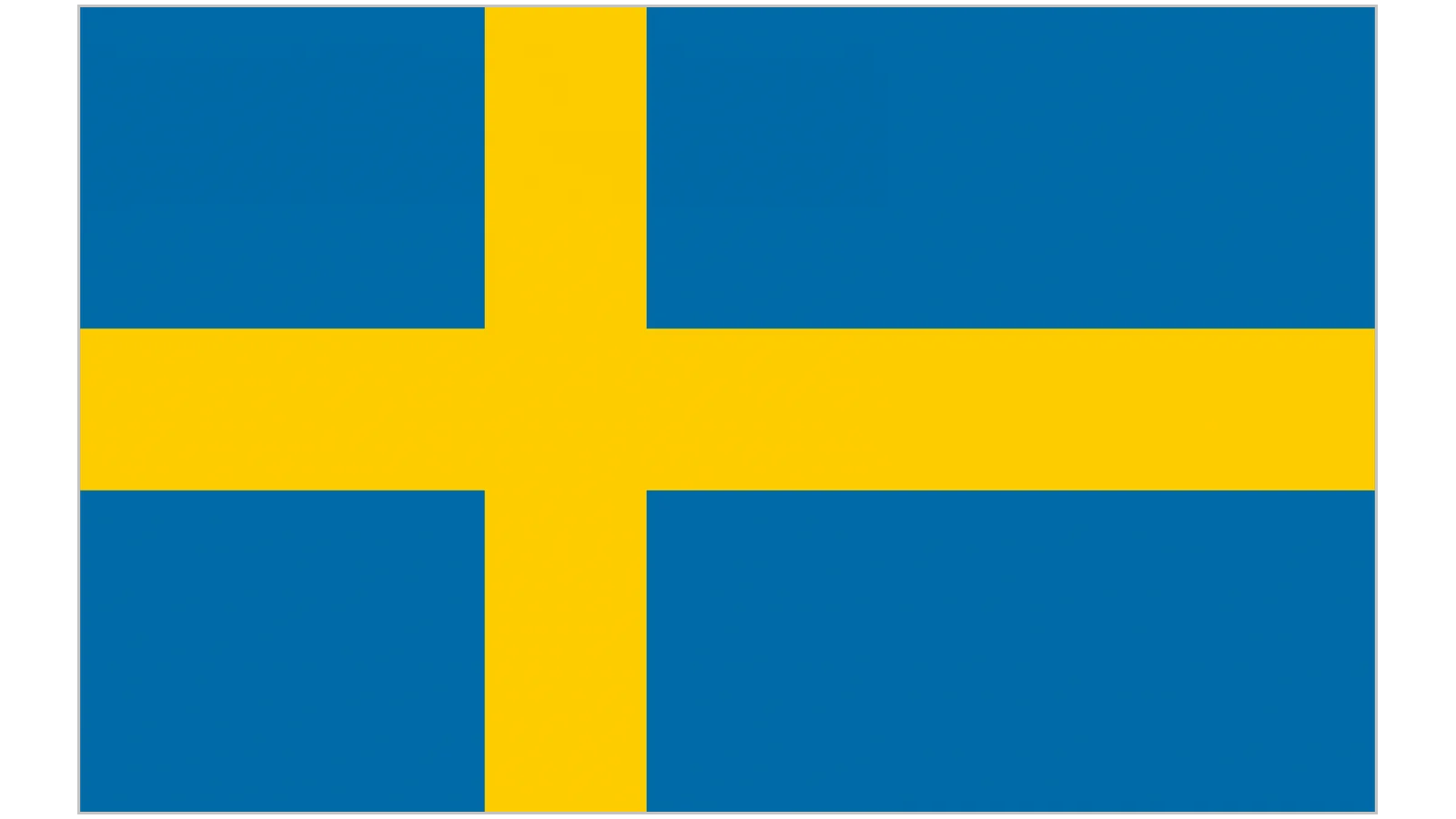
12. Sweden. The country celebrates its National Day, which is also Flag Day, on 6 June.
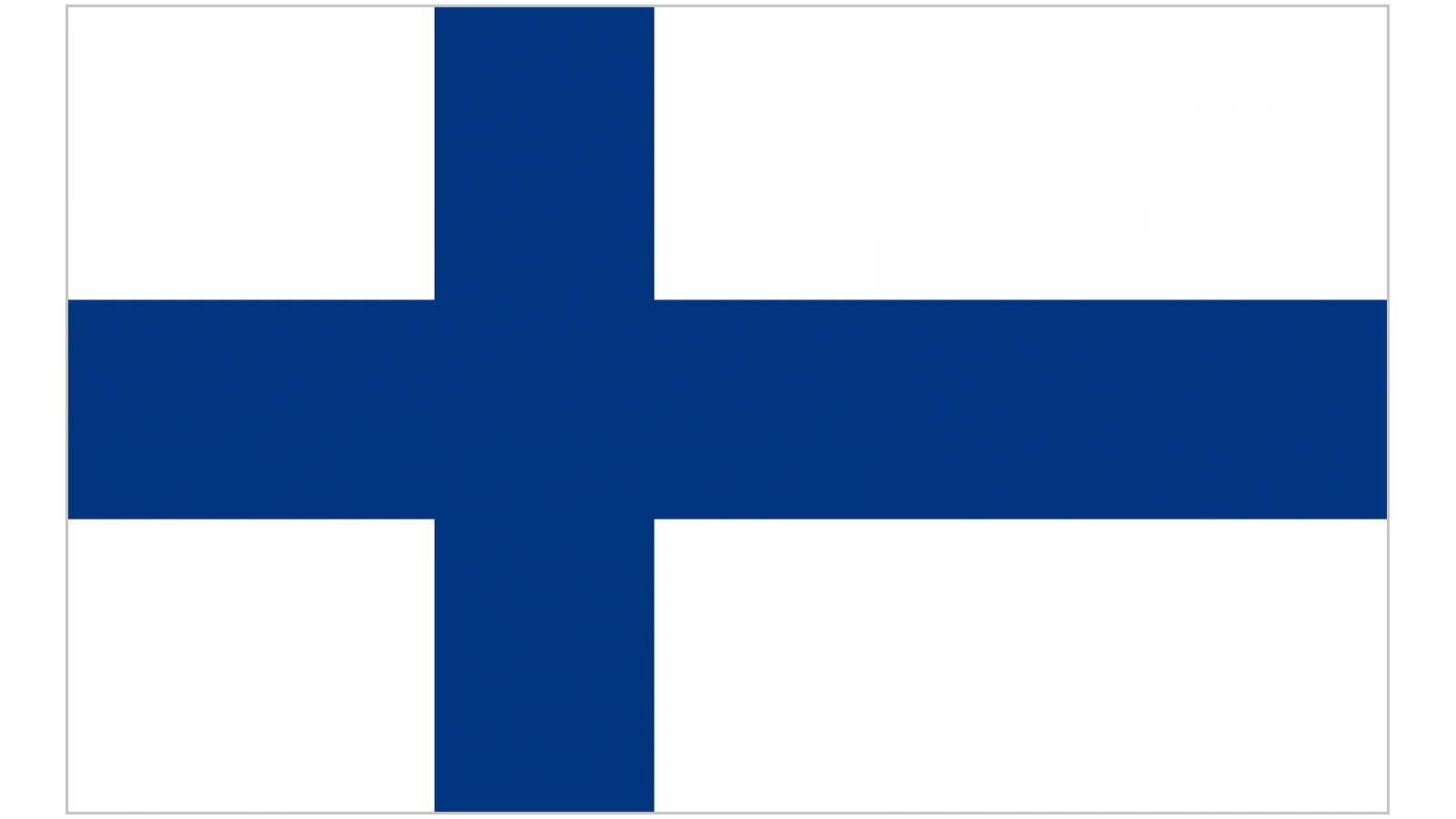
13. Finland. The blue cross is said to stand for the lakes and sky, and the white for snow.
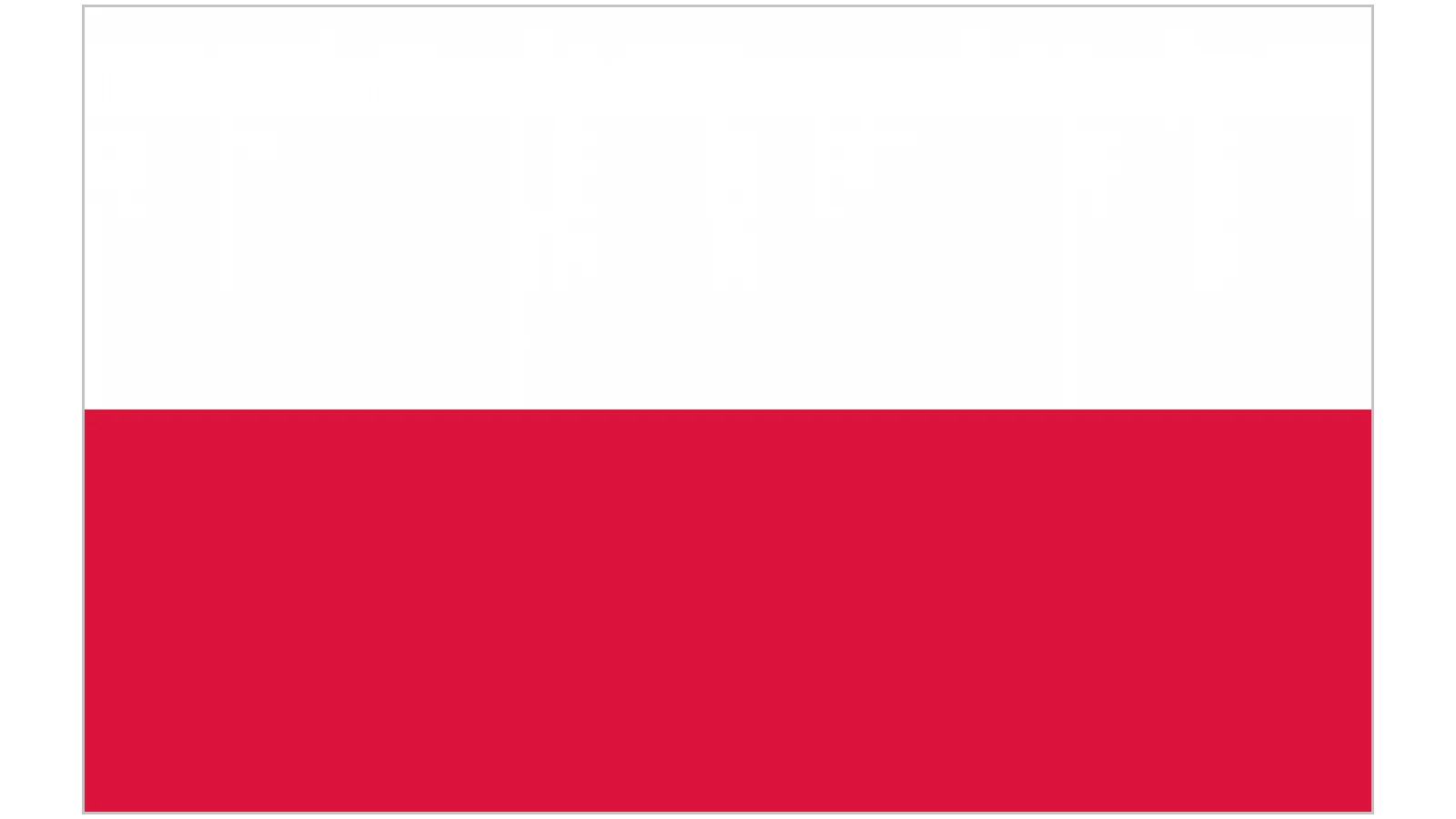
14. Poland. White and red come from the white eagle on a red shield in its coat of arms.
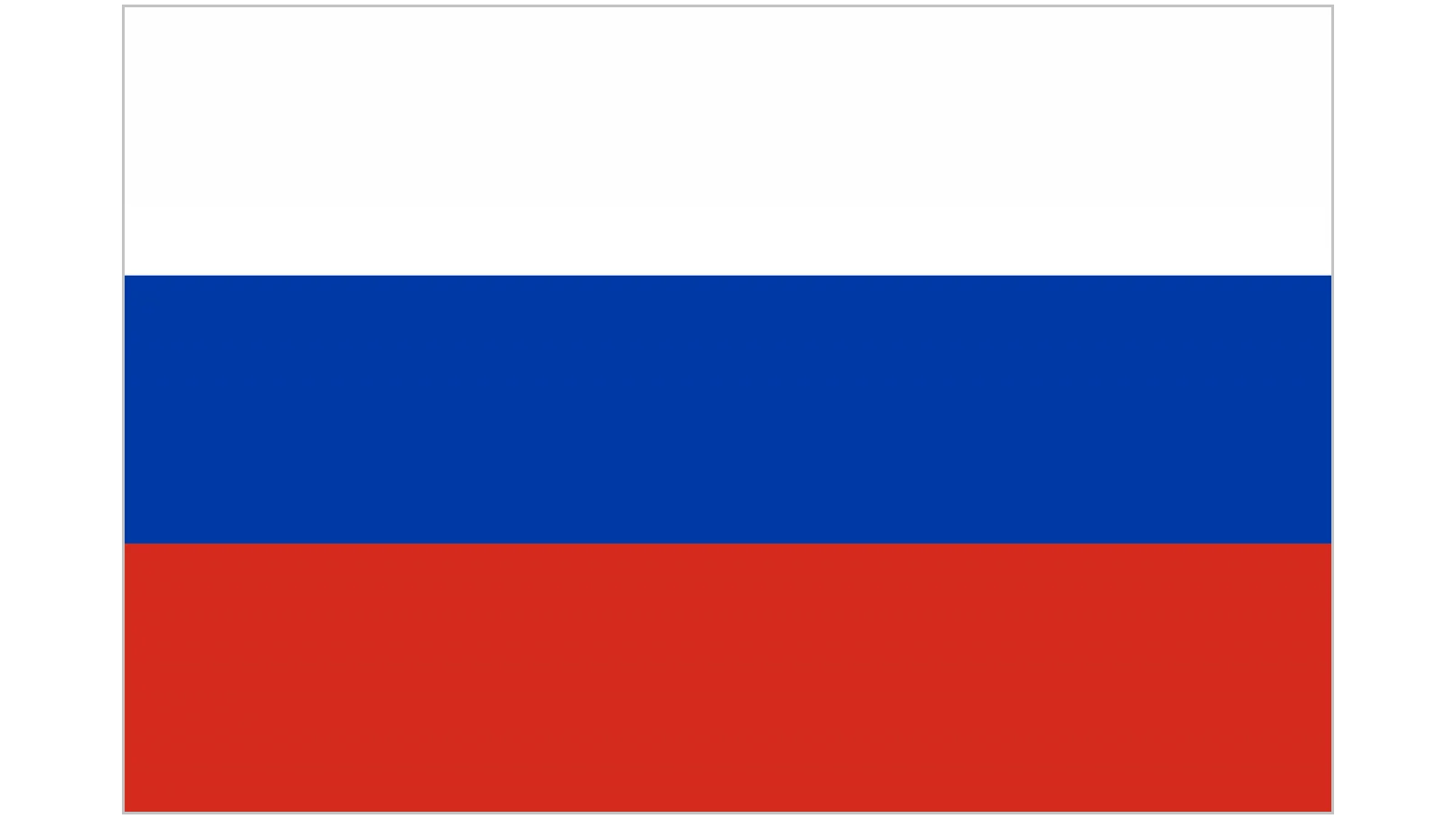
15. Russia. The country marks Flag Day every year on 22 August.
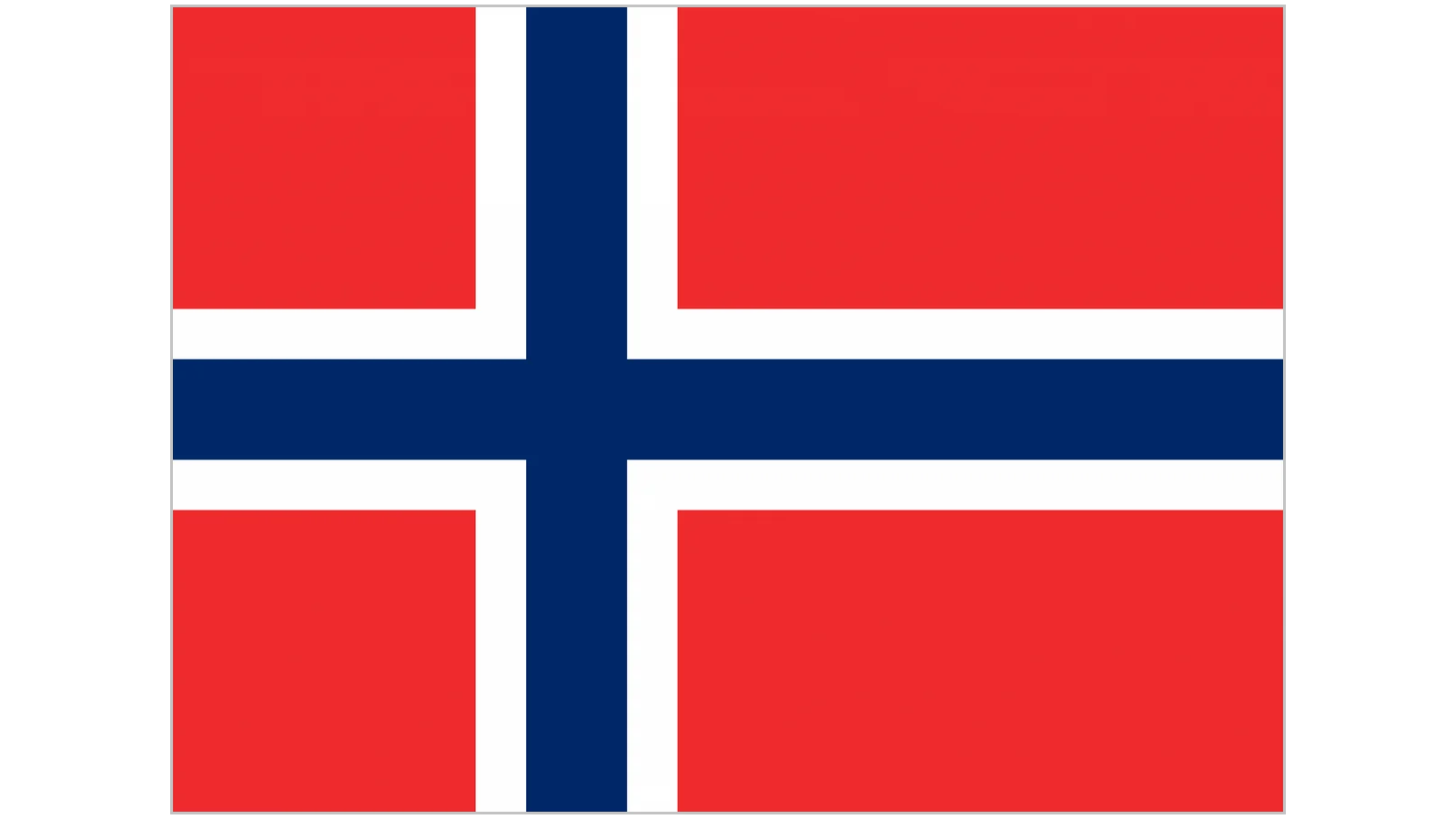
16. Norway. Its red, white and blue Nordic cross was designed in 1821.
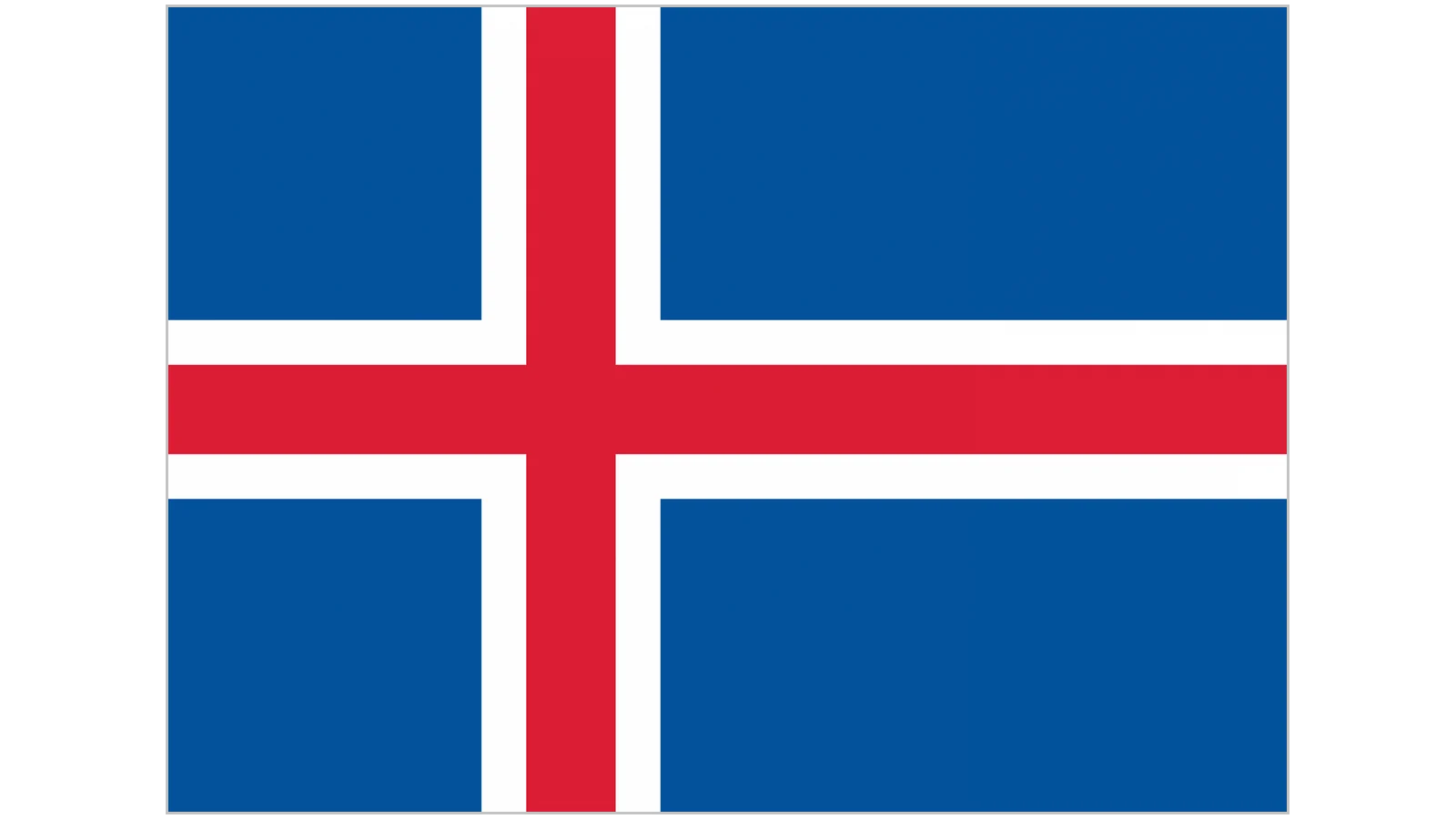
17. Iceland. Blue is said to stand for the mountains, white for ice and snow and red for volcanic fire.
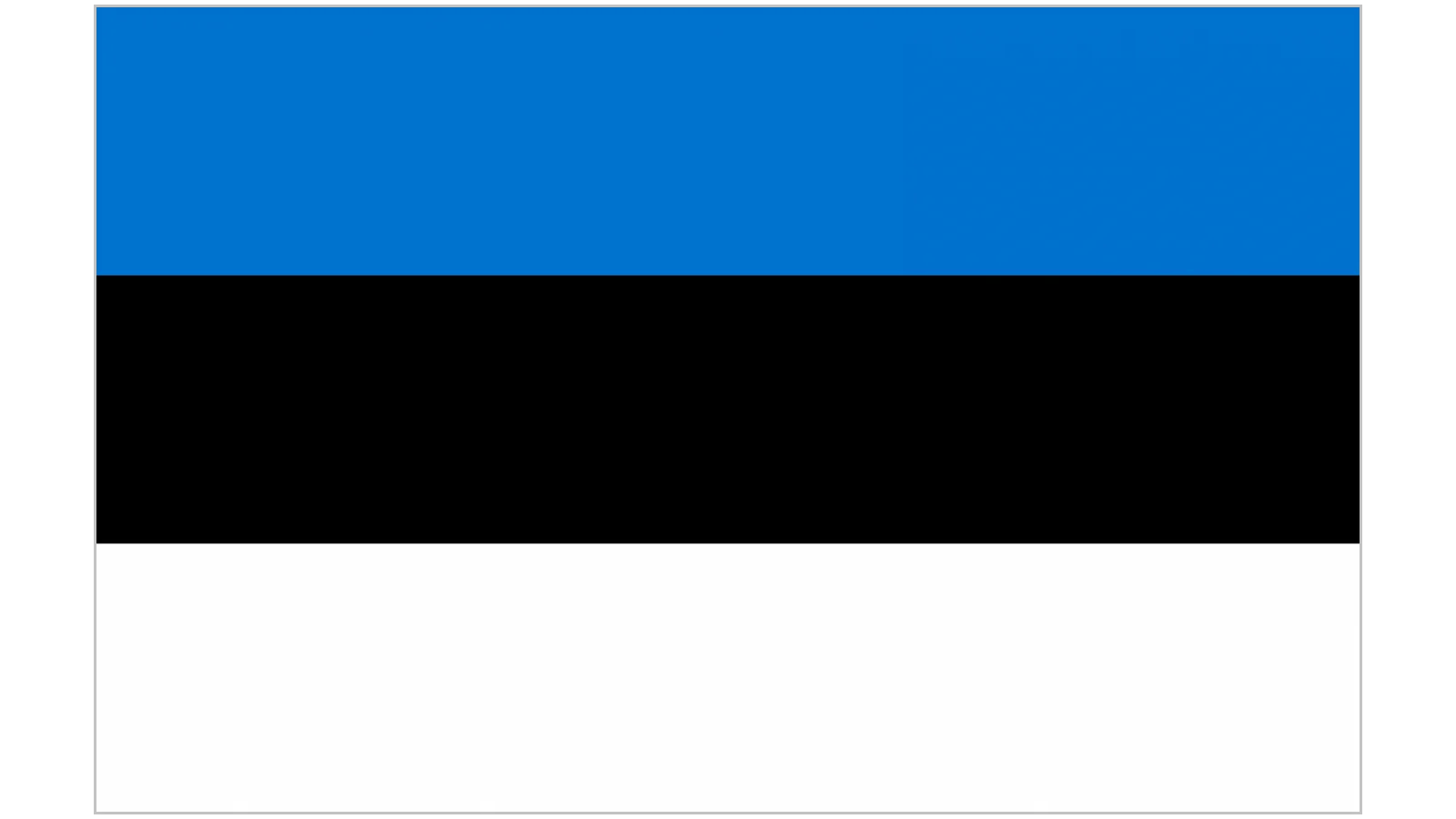
18. Estonia. The blue, black and white tricolour began as the flag of a student society in 1884.
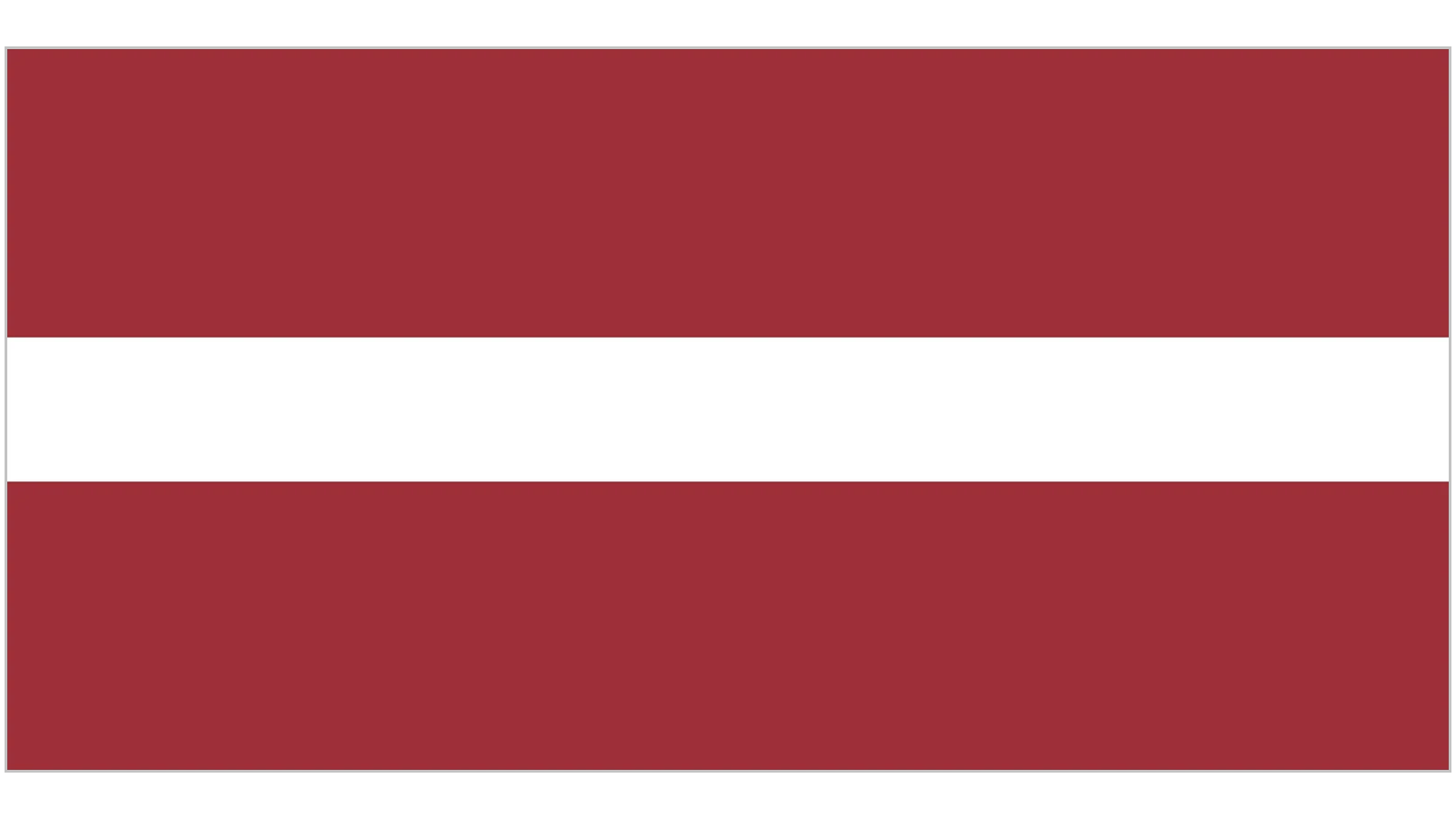
19. Latvia. Its dark carmine red and white design is linked to a legend recorded in the 1200s.
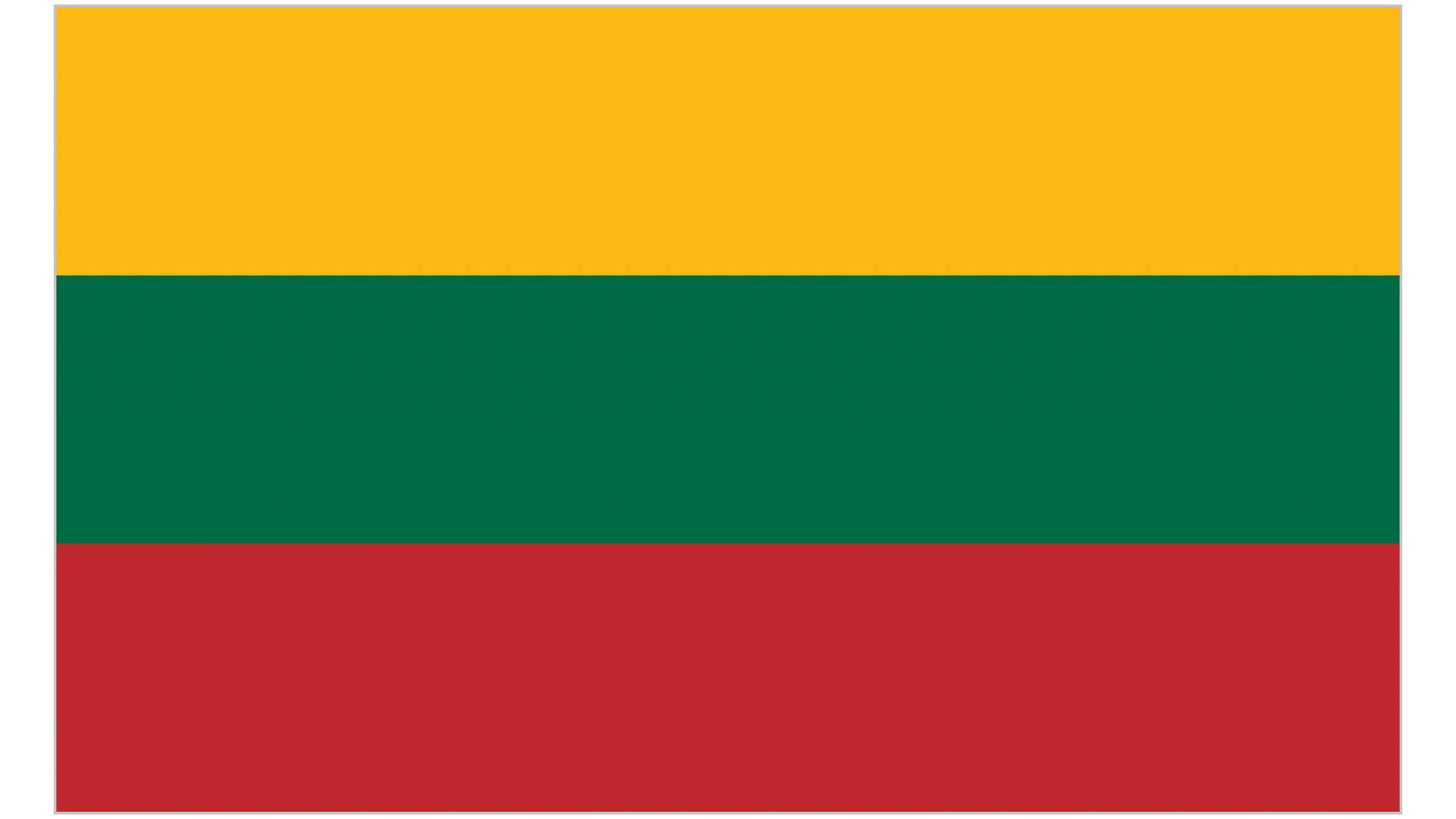
20. Lithuania. Yellow stands for the sun, green for the forests and red for the blood shed for the country.
Round 3: Tricky ones
Answers for round 3
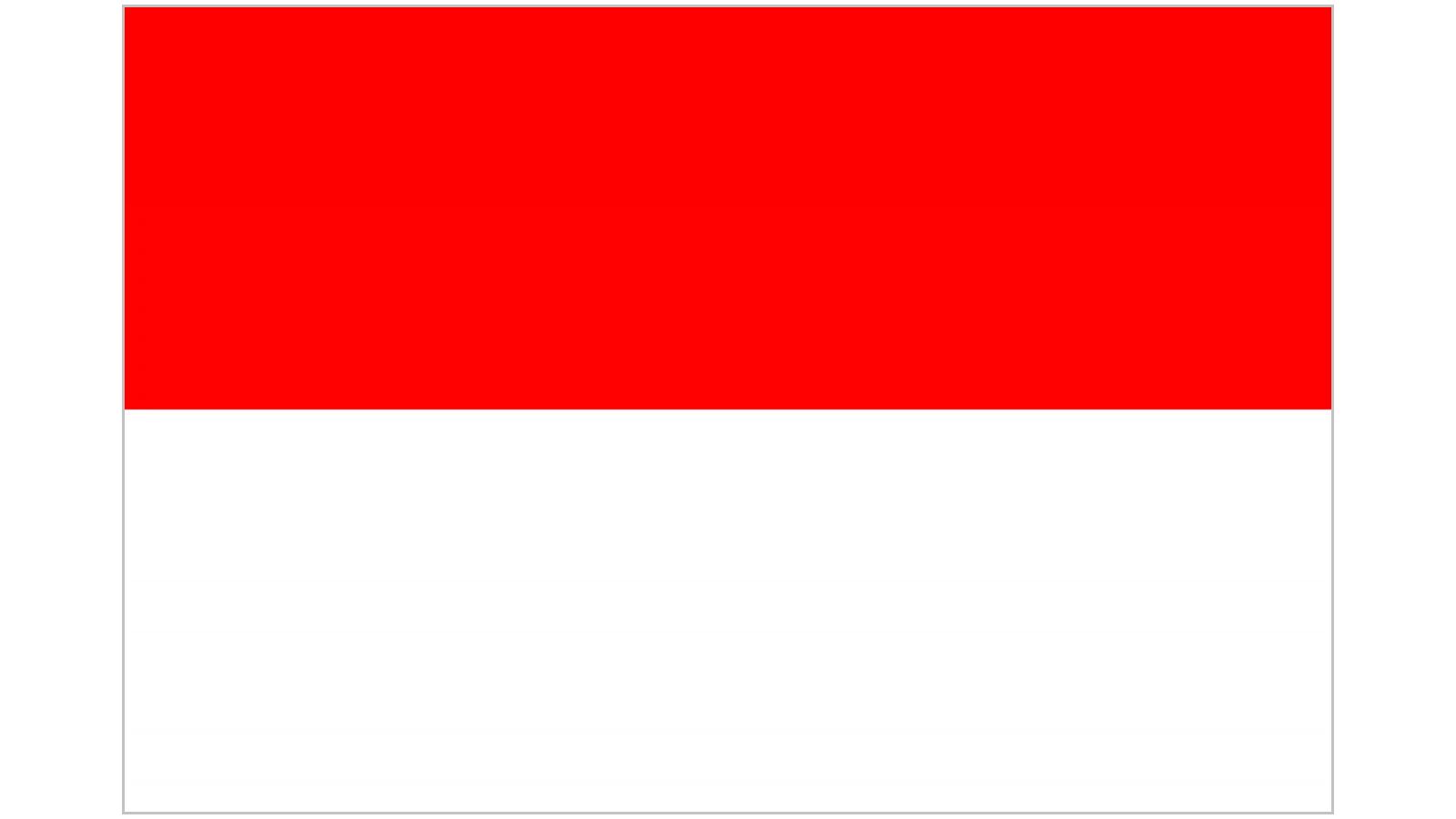
21. Indonesia. Known as Sang Saka Merah-Putih, it was first raised at independence on 17 August 1945. Monaco’s flag has the same colours in a squarer shape.
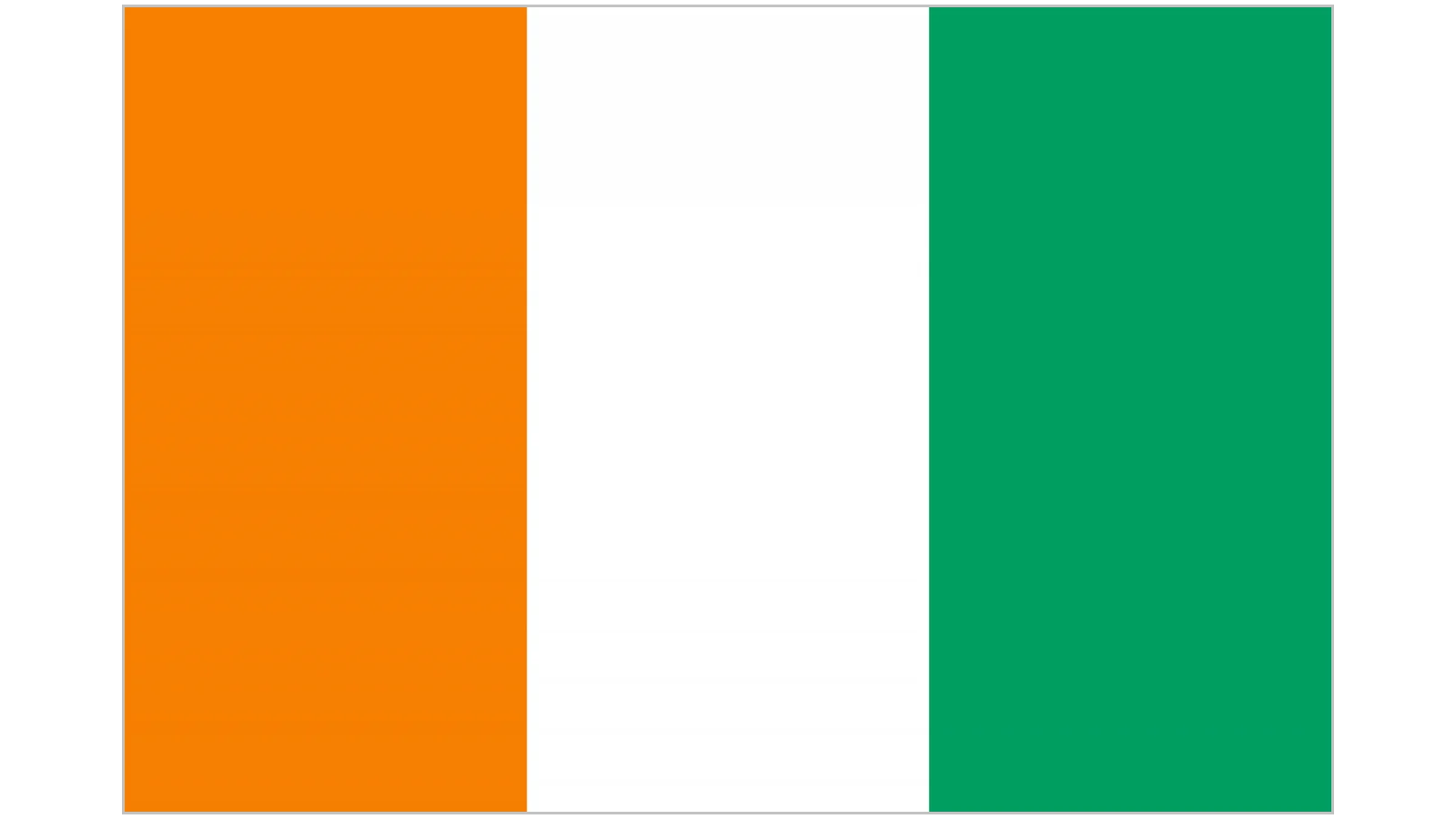
22. Côte d'Ivoire. Orange stands for the savannah, white for peace and green for the forests and hope.
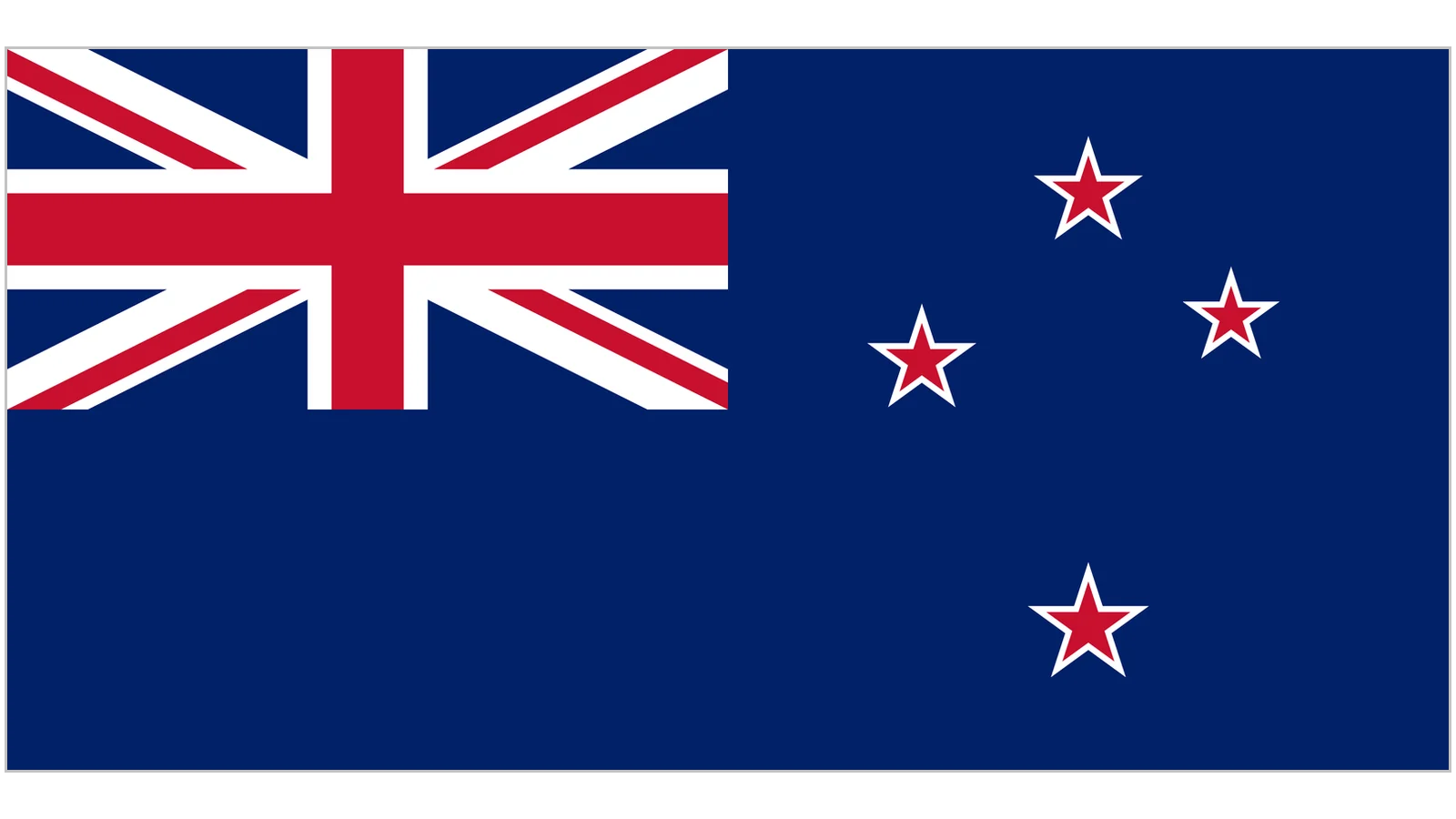
23. New Zealand. Its four red stars with white borders show the Southern Cross.
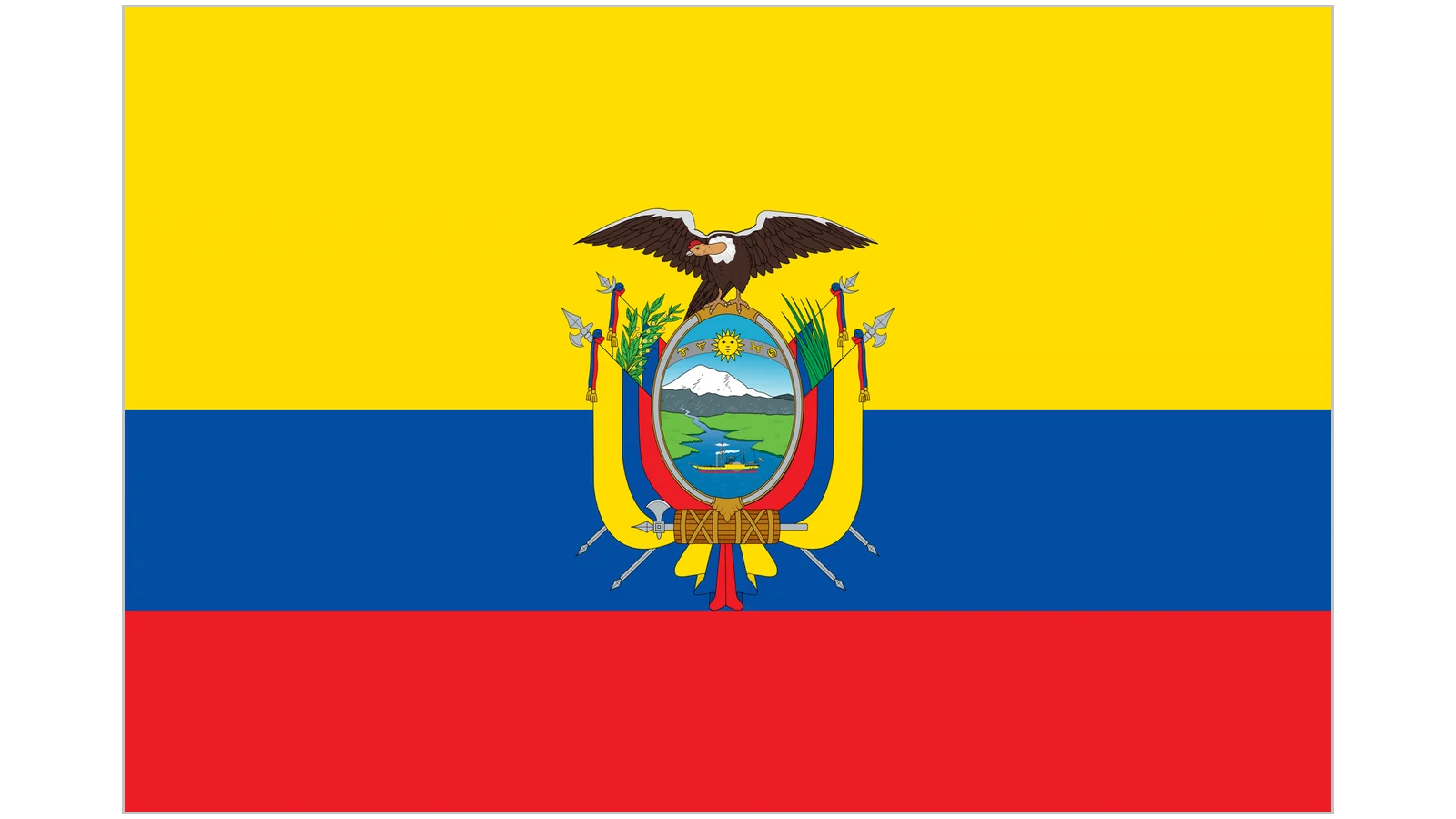
24. Ecuador. The condor on its coat of arms spreads its wings above a view of Mount Chimborazo.
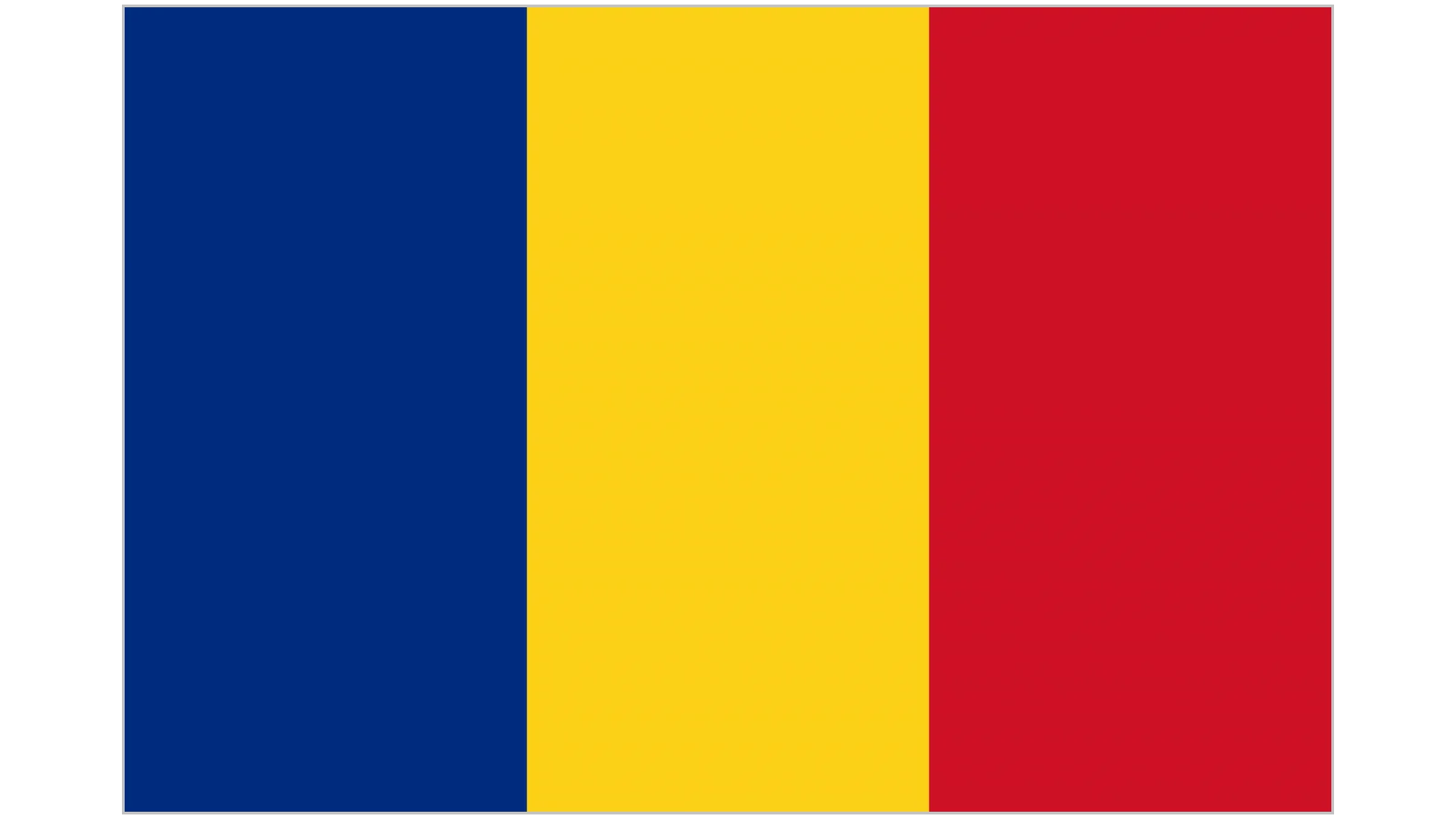
25. Romania. The plain tricolour returned in 1989 after protesters cut the communist emblem out of the middle. Chad’s flag is almost identical.
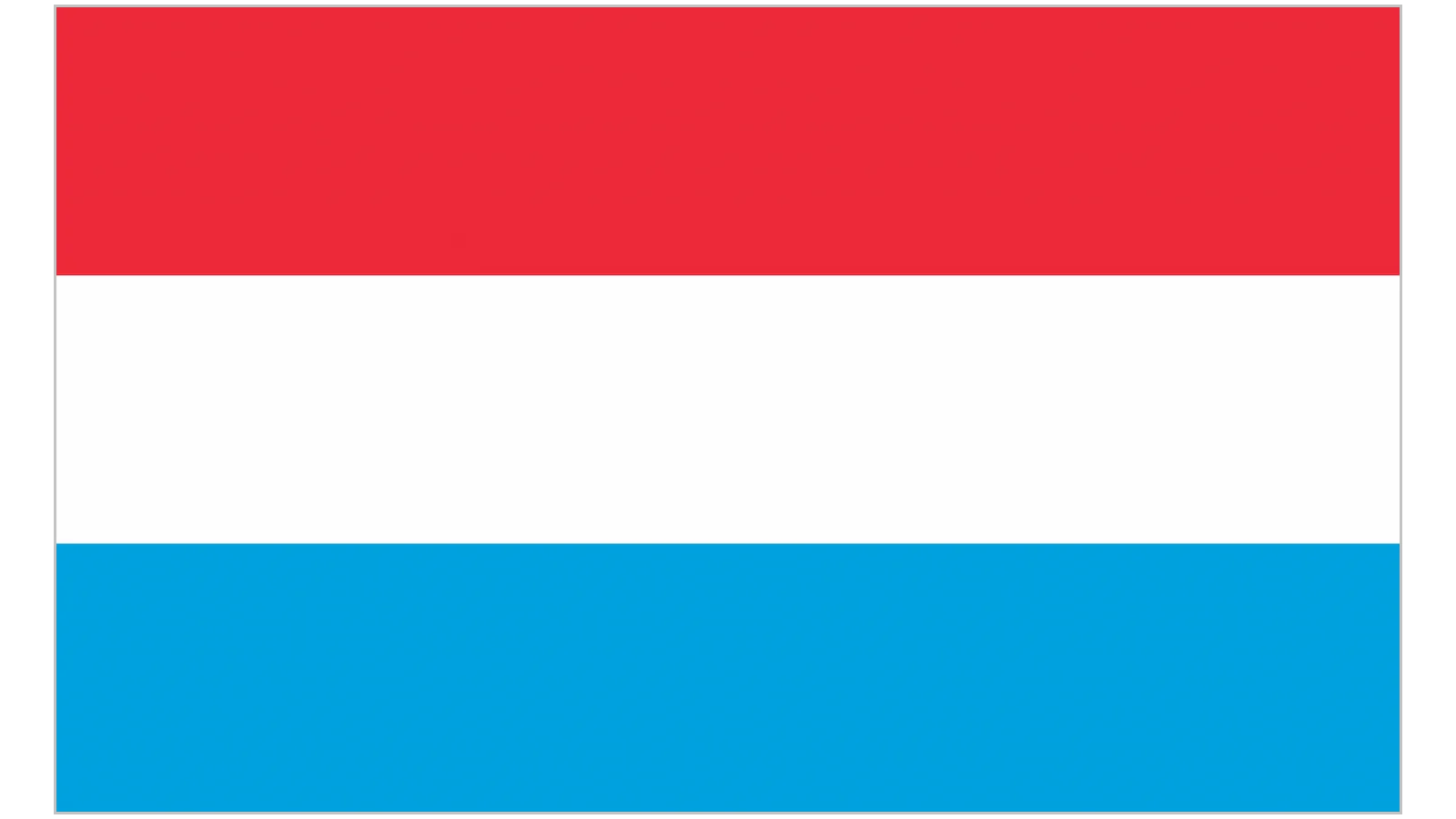
26. Luxembourg. Its colours come from the coat of arms of the grand duchy, a red lion on blue and white stripes.
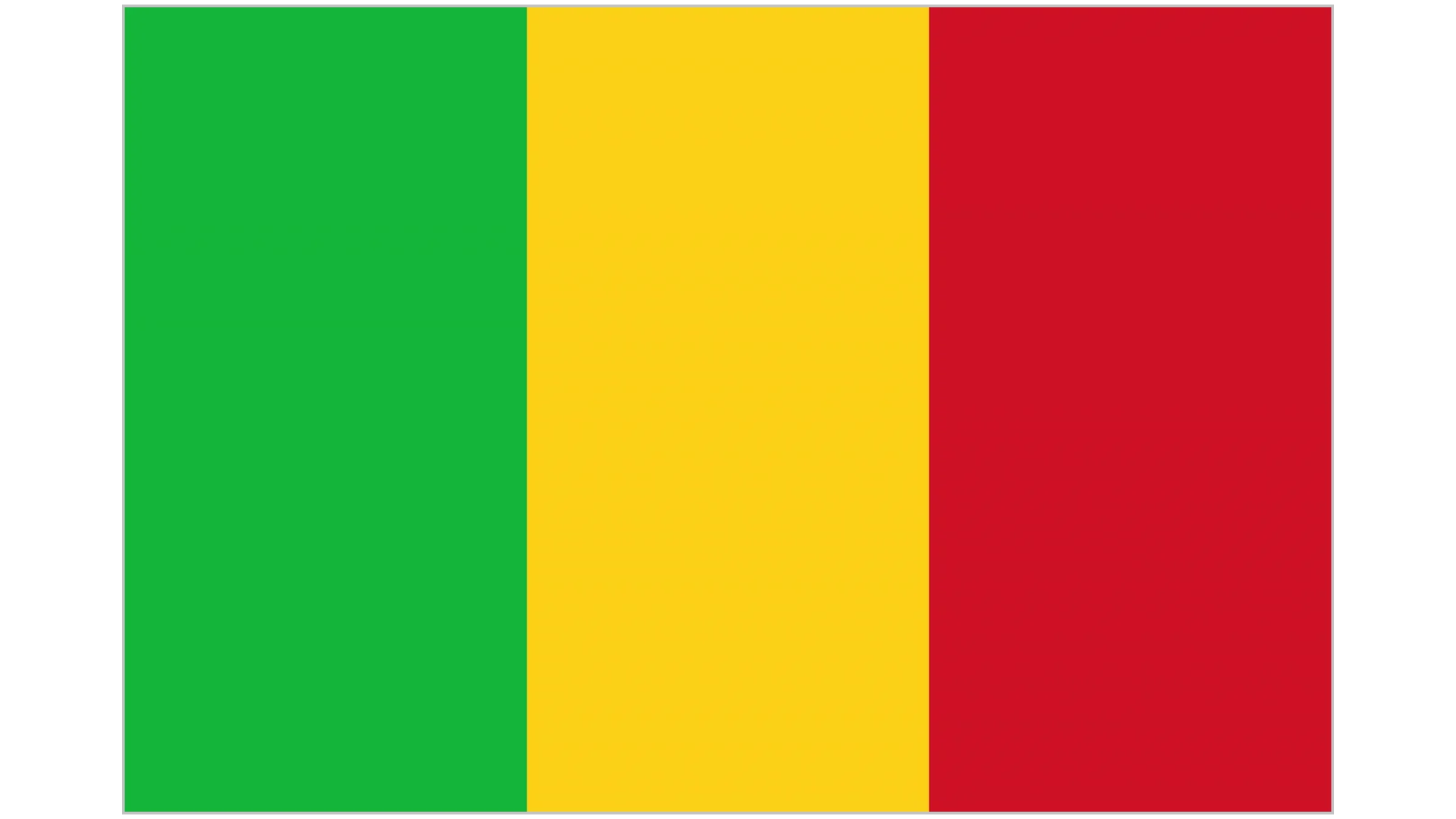
27. Mali. Its colours run green, gold and red from the pole.
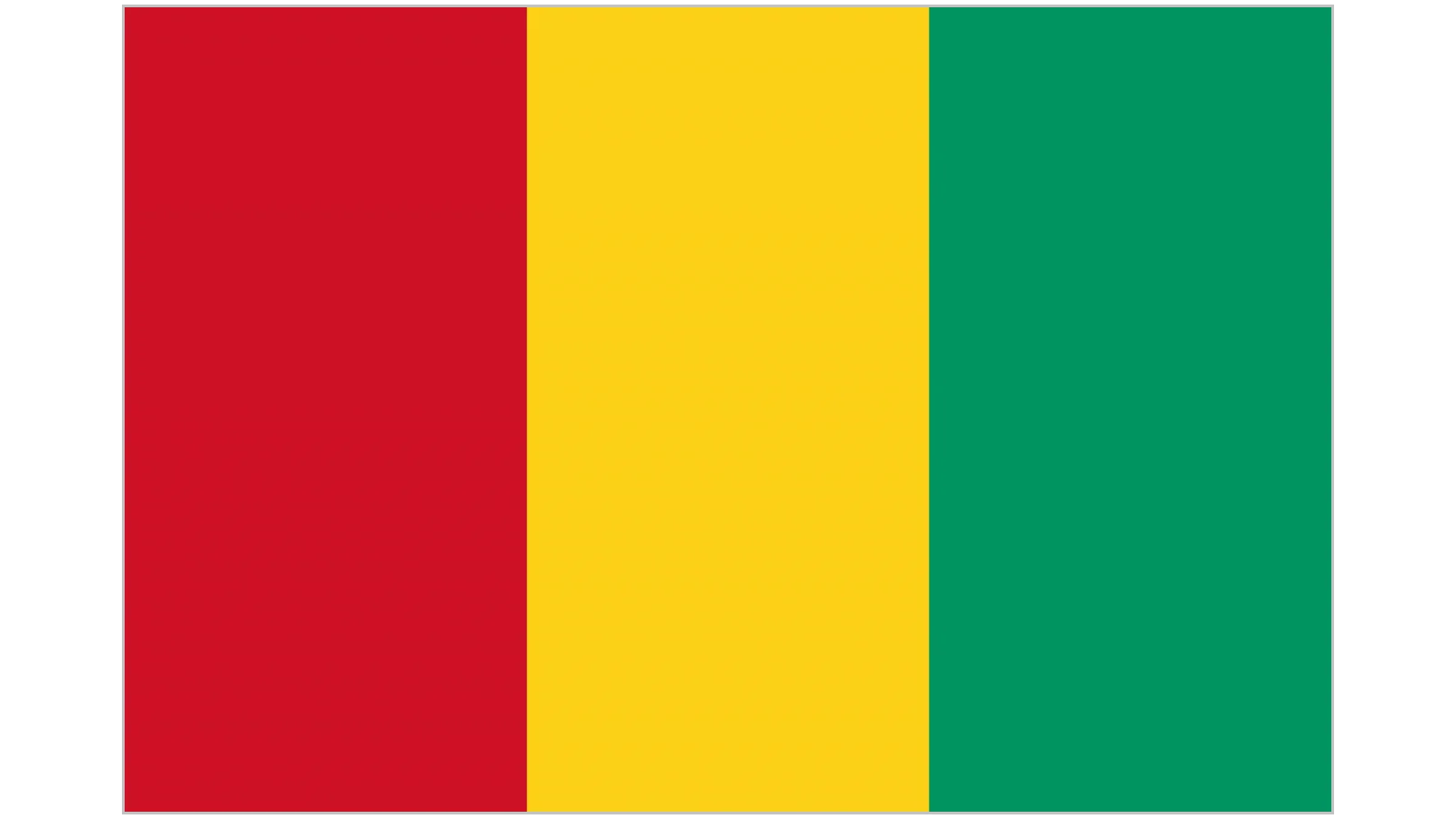
28. Guinea. Its red, yellow and green stand for work, justice and solidarity, the words of the national motto.
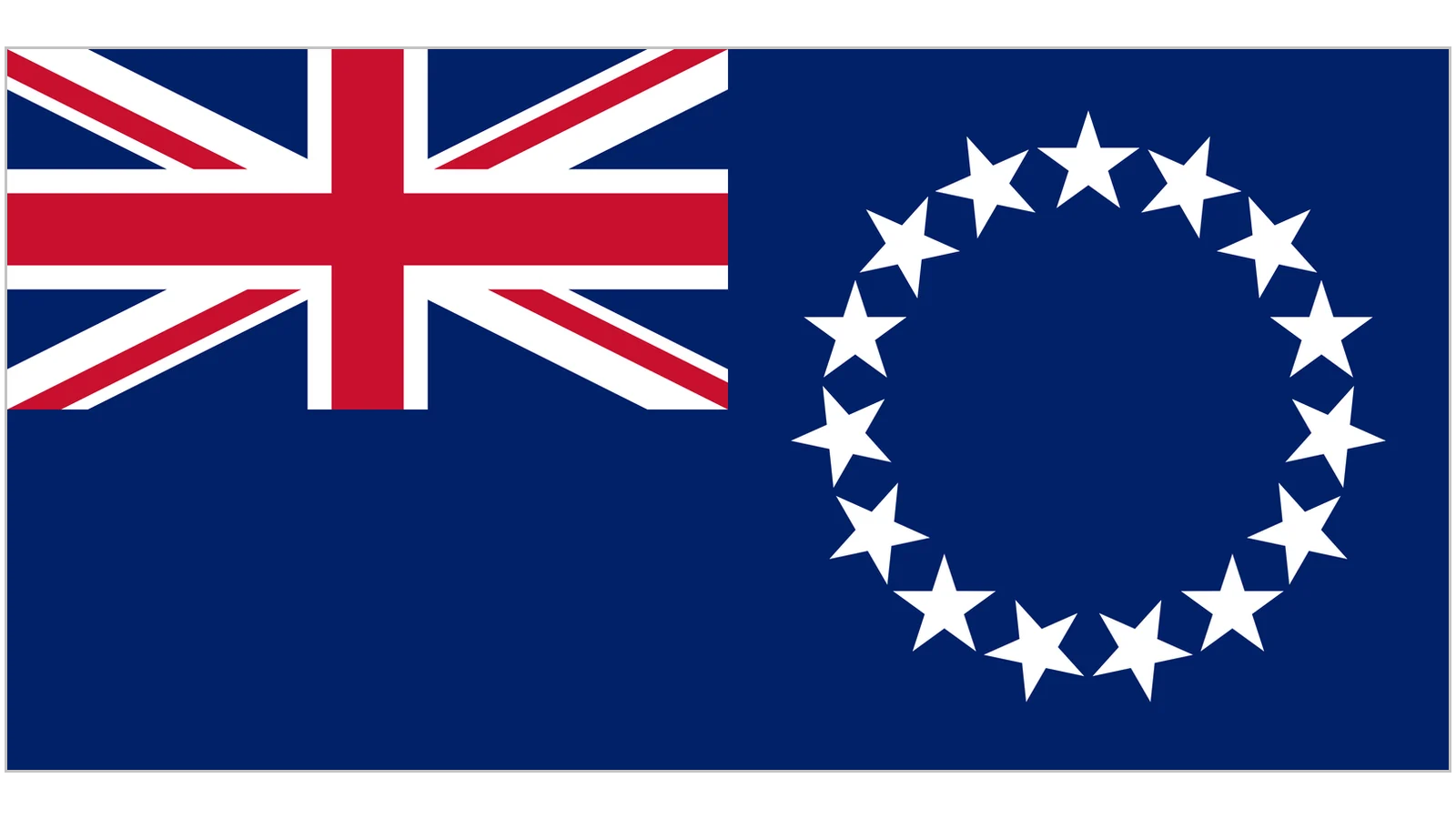
29. Cook Islands. Its ring of 15 white stars stands for the 15 islands.
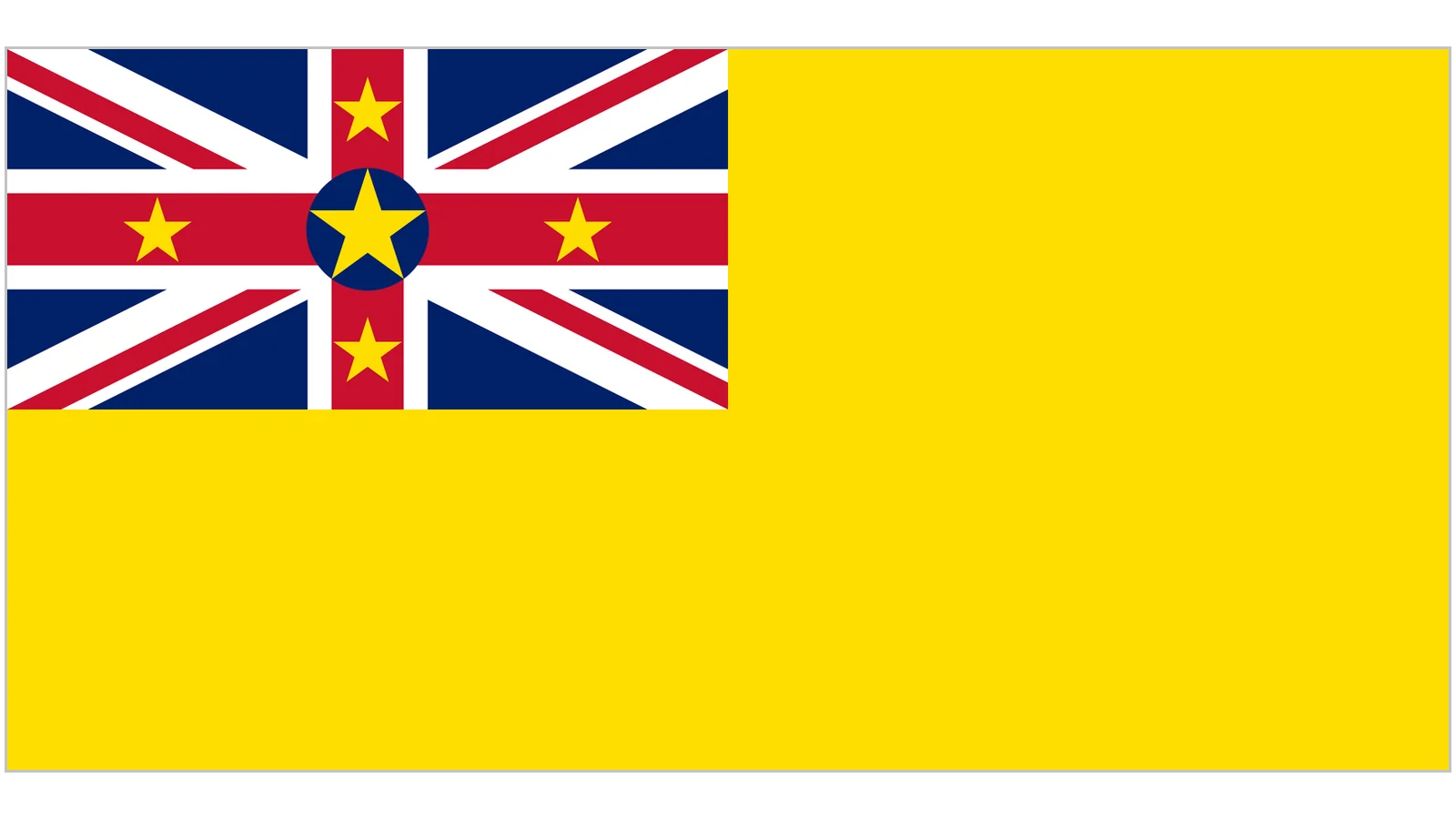
30. Niue. The yellow field stands for the bright sunshine and the warm feelings of its people.
Flags people mix up
The pairs that catch out even good flag spotters, and how to tell them apart.
Running a flag round
Flags make a good picture round because nobody has to read anything out. Put instaquiz.app/tv on the TV so the whole room sees each flag at once, give everyone 20 seconds, and save the trickiest ones for the last round. To break up a general knowledge night, use Mix and match to put a round of flags in between other packs.
How to put your quiz on the TVRunning a pub quiz at home